
Engineered Stone and Silica: What Buyers Should Know
Why engineered stone has come under scrutiny for silicosis, what OSHA and California require, Australia's ban, and how buyers and fabricators can respond.
The short answer
Engineered stone, often sold as quartz, can contain very high levels of crystalline silica. Cutting and grinding it without water and ventilation controls exposes workers to dust linked to silicosis, an incurable lung disease. OSHA limits workplace exposure, California has added stricter rules and Australia banned engineered stone from July 2024. Buyers should choose fabricators who follow silica controls.
Key takeaways
- Engineered quartz often contains far more crystalline silica than most natural stones.
- Silicosis cases among fabrication workers drove new regulation.
- OSHA's silica standard sets exposure limits and controls.
- Ask fabricators how they control dust.
What the concern is
Respirable crystalline silica is fine dust released when cutting, grinding and polishing materials that contain quartz. Inhaled over time, it can cause silicosis, lung cancer and other diseases. Engineered stone products commonly contain very high percentages of crystalline silica, much more than marble, which contains little or none, and often more than many granites.
Why regulators acted
Health authorities in several countries reported clusters of severe and sometimes fatal silicosis among relatively young engineered stone fabrication workers, especially where dry cutting was used.
- Australia: banned the use, supply and manufacture of engineered stone from July 1, 2024.
- California: Cal/OSHA adopted emergency rules in late 2023 focused on engineered stone fabrication, and state requirements have continued to tighten.
- Federal OSHA: enforces its respirable crystalline silica standards, with a permissible exposure limit of 50 micrograms per cubic meter over an 8-hour shift.
See OSHA silica rule for stone.
What this means for buyers
- Ask fabricators how they control dust: wet cutting, ventilation, respiratory protection and monitoring.
- Understand that responsible fabrication of any stone, natural or engineered, requires dust controls.
- Consider natural stone, porcelain and other materials as alternatives.
Natural stone and silica
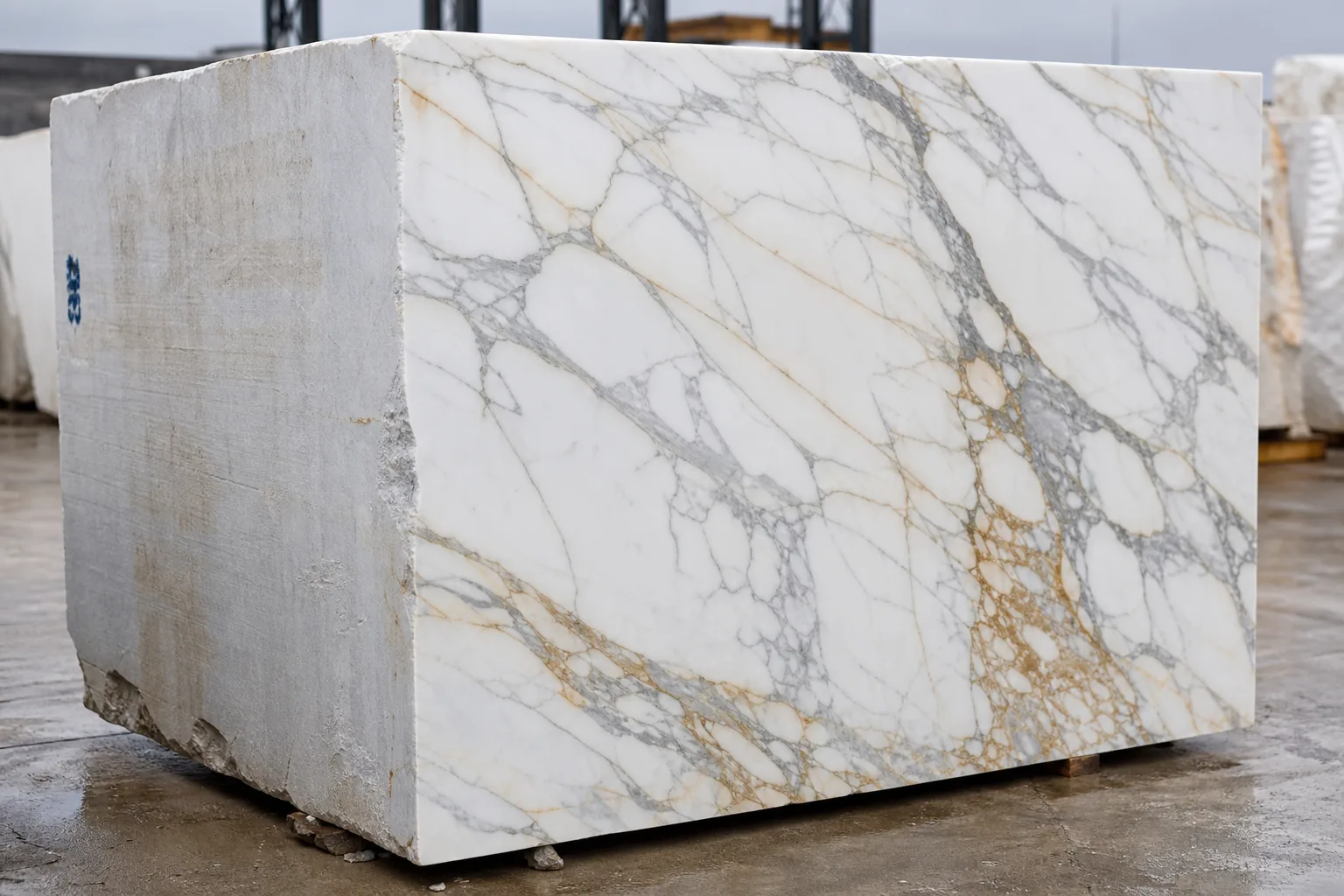
Natural stones vary. Marble and limestone contain little crystalline silica. Granite contains quartz in varying amounts. Quartzite is mostly quartz and requires strict dust controls during fabrication. Installed countertops do not release silica dust in normal use; the risk is during cutting and grinding.
For distributors
Expect more questions from buyers and fabricators about material composition and safety. Keep safety data sheets and composition information accessible.
Staying current
Regulations are changing. Check current OSHA, Cal/OSHA and state requirements before making decisions.
Questions buyers can ask fabricators
- Do you use wet cutting and dust collection?
- Do your workers use respiratory protection when needed?
- Do you monitor silica exposure?
- What materials do you recommend and why?
Responsible fabricators will answer openly.
What distributors should prepare
Keep safety data sheets for each product, understand composition and be ready to explain how natural stones compare. Customers increasingly ask, and clear answers build trust.
Frequently asked questions
Is engineered stone dangerous in my kitchen?
Installed countertops do not release silica dust in normal use. The health risk is to workers cutting and grinding the material without proper controls.
Has the U.S. banned engineered stone?
There is no federal U.S. ban as of this writing. California has adopted stricter workplace rules, and Australia banned engineered stone from July 2024.
Does natural stone contain silica?
Some does. Quartzite and many granites contain quartz, so fabrication needs dust controls. Marble and limestone contain little crystalline silica.