
Natural Stone vs Quartz Countertops: An Honest Comparison
Compare natural stone (marble, granite, quartzite) and engineered quartz: look, durability, heat, stains, UV, maintenance, silica concerns and resale.
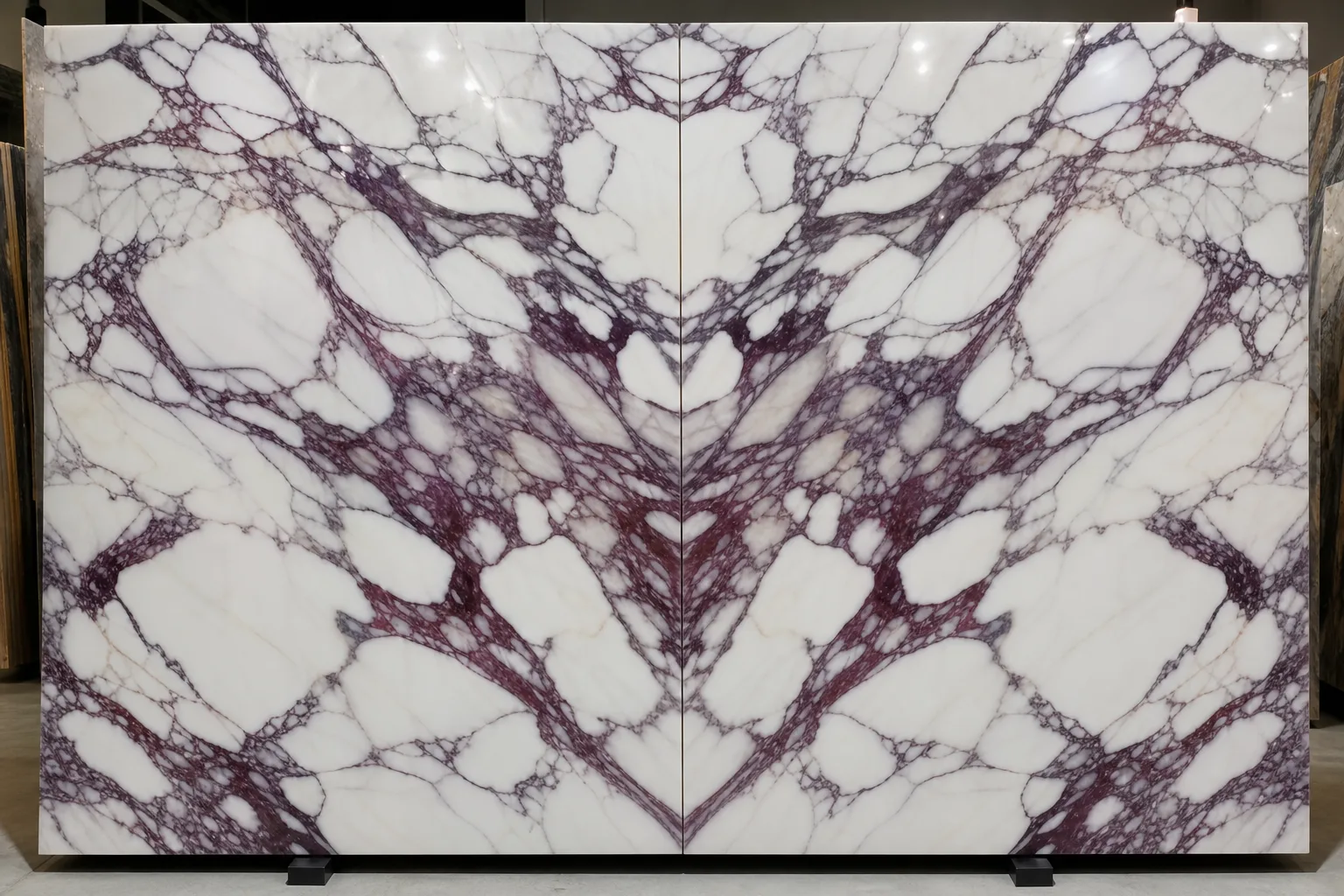
The short answer
Natural stone offers unique patterns, high heat tolerance and a timeless look, but some stones etch or need sealing. Engineered quartz is consistent and non-porous but can be damaged by high heat, may discolor in UV and its fabrication has raised serious silica safety concerns. The best choice depends on look, use, maintenance tolerance and values.
Key takeaways
- Natural stone is unique; quartz is uniform.
- Granite and quartzite tolerate heat well; quartz resins can scorch.
- Quartz is non-porous; some stones need sealing.
- Engineered stone fabrication is under silica safety scrutiny.
What each is
- Natural stone: quarried rock such as marble, granite, quartzite, soapstone and limestone, cut into slabs.
- Engineered quartz: crushed quartz bound with resins and pigments, formed into slabs.
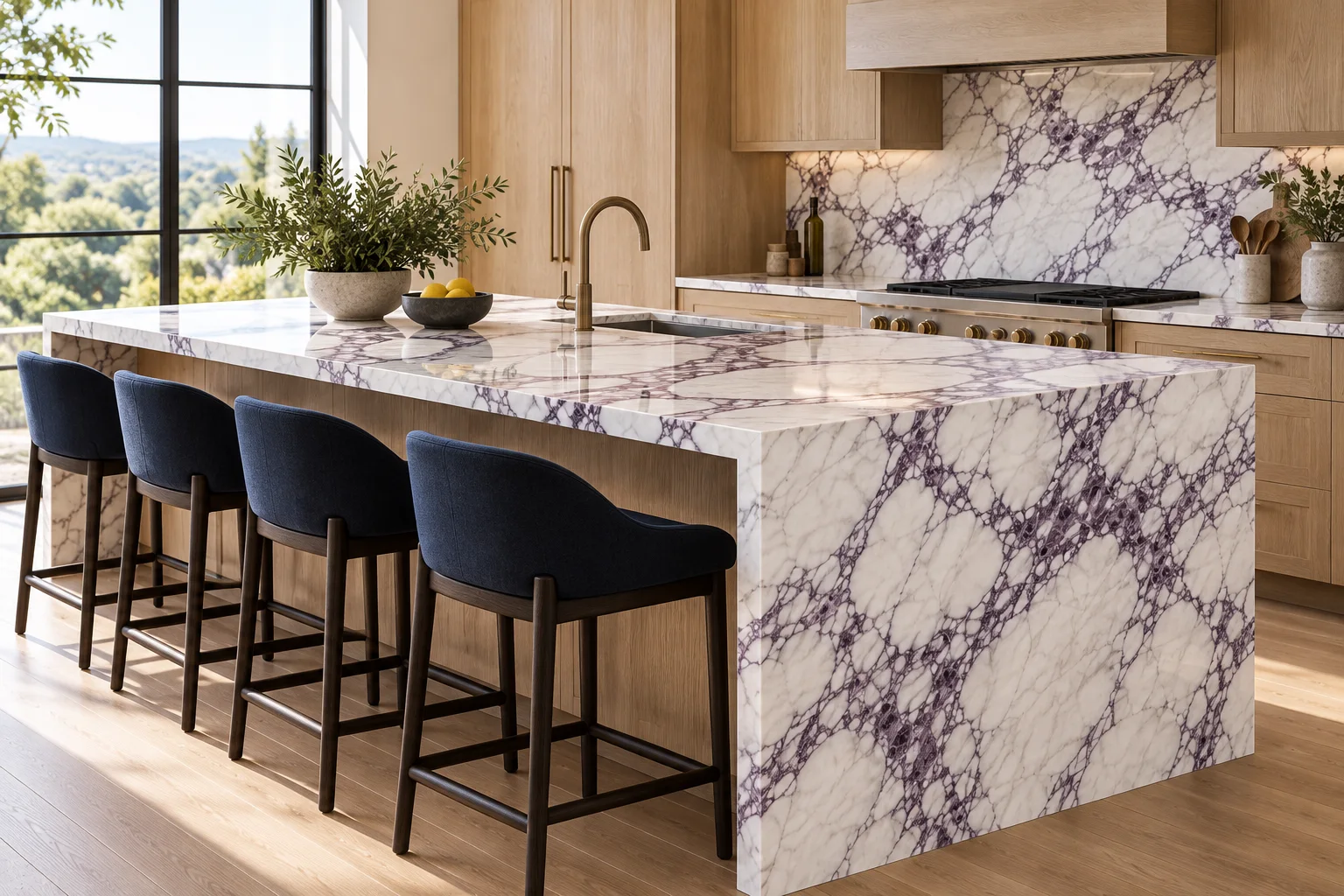
Comparison
| Factor | Natural stone | Engineered quartz |
|---|---|---|
| Look | Unique, natural variation | Consistent, designed patterns |
| Heat | Granite, quartzite tolerate well; still use trivets | Resins can scorch or discolor |
| Stains | Varies; sealing helps porous stones | Generally stain resistant |
| Etching | Marble etches; quartzite and granite generally resist | Does not etch like marble |
| UV / outdoor | Many stones suitable | Often not recommended outdoors |
| Repairability | Can be honed and polished | Limited |
| Silica | Varies by stone | Very high crystalline silica content in many products |
Heat
Granite and quartzite tolerate heat well, though thermal shock and resin treatments mean trivets are still wise. Quartz resins can be damaged by hot pans. See heat resistance of countertop materials.
Maintenance
Quartz needs little maintenance. Granite and quartzite need occasional sealing depending on porosity. Marble needs the most care and develops patina.
Silica safety
Engineered stone can contain very high levels of crystalline silica. Cutting and grinding without controls has been linked to silicosis among fabrication workers. Regulators have responded: Australia banned engineered stone, and California adopted stricter rules for workplaces. See engineered stone silica rules.
Resale and perception
Natural stone remains a premium feature for many buyers. Quartz is popular for its consistency.
Which to choose
- Want uniqueness and heat tolerance: granite or quartzite.
- Love classic veining and accept patina: marble.
- Want uniform look and minimal maintenance: quartz, with attention to fabrication safety.
A buyer scenario
A family with young children wants a white kitchen. They love Calacatta but fear etching. Options include true white quartzite for durability with natural beauty, honed marble accepting patina, or engineered quartz with awareness of fabrication safety and heat sensitivity. Seeing real slabs of each side by side usually makes the decision clear.
Questions to ask yourself
- Do I want a one-of-a-kind look or a consistent pattern?
- How do I cook and how often?
- Will I use trivets reliably?
- How important is long-term repairability?
Resale considerations
Many buyers view natural stone as a premium feature. Neutral choices tend to appeal to more future buyers.
Frequently asked questions
Is quartz better than granite?
Neither is better overall. Quartz offers consistency and low maintenance; granite offers natural uniqueness and better heat tolerance.
Can you put hot pans on quartz?
Manufacturers usually recommend against it because resins can scorch or discolor. Use trivets.
Why is engineered stone controversial?
Its high crystalline silica content has been linked to silicosis among fabrication workers when dust is not controlled, leading to stricter regulations.