
How to Build a Slab Numbering System That Works
Design a slab and bundle numbering system for a stone warehouse: block, bundle and slab IDs, sequence numbers, remnants, labels and links to inventory software.
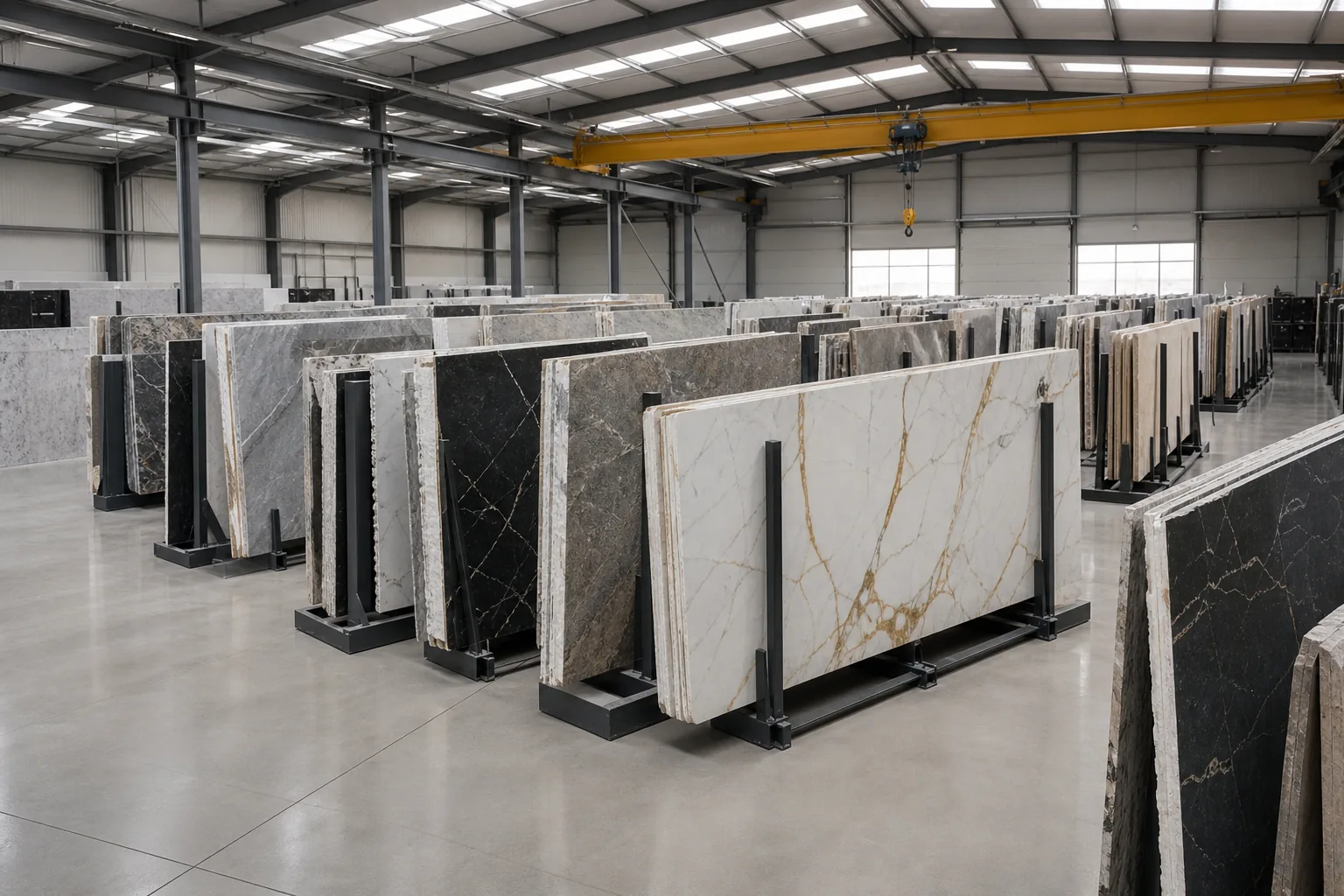
The short answer
A good slab numbering system gives every block, bundle, slab and remnant a unique, readable ID that encodes its origin and sequence, for example material code, lot or bundle number and slab position. Print the ID on durable labels or QR codes on each slab, use it in every quote and pickup, and keep it linked to photos and status in your inventory system.
Key takeaways
- Every slab needs a unique ID that never changes.
- Keep sequence numbers for bookmatching.
- Remnants inherit the parent slab ID plus a suffix.
- Use the same ID everywhere: rack, quote, invoice.
Why numbering matters
Without unique IDs, inventory relies on descriptions like "the Calacatta on the left." That leads to wrong slabs at pickup, double sales and lost remnants. A clear numbering system is the backbone of accurate inventory.
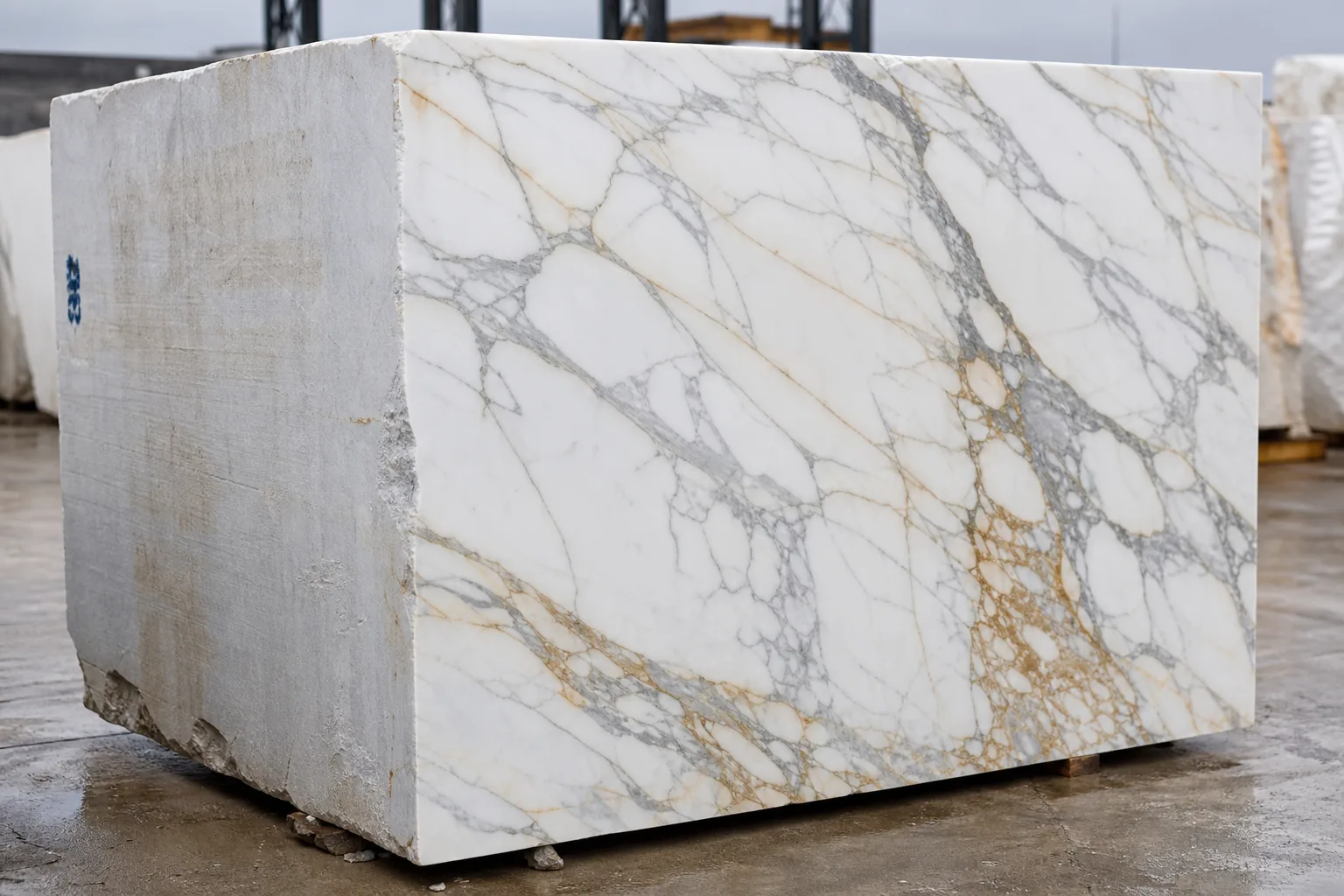
Principles
- Unique: no two items share an ID.
- Permanent: IDs never change, even if a slab moves.
- Readable: staff can say and type them easily.
- Meaningful: encode useful information without becoming too long.
- Scannable: pair with QR codes.
A practical structure
| Level | Example format | Meaning |
|---|---|---|
| Material | CAL | Calacatta |
| Lot or bundle | CAL-2311 | Bundle 2311 |
| Slab | CAL-2311-14 | 14th slab in sequence |
| Remnant | CAL-2311-14-R1 | First remnant from slab 14 |
Keep supplier bundle numbers as a separate field so you can trace back to the packing list.
Sequence numbers
Number slabs in cutting order. Sequence enables bookmatching and consistent color selection. Record which face is polished if relevant. See how to sell bookmatched slabs.
Labels
- Weatherproof labels or tags on the slab edge or back.
- QR codes linking to the digital record.
- Consistent placement so staff know where to look.
Read QR codes for stone inventory.
Use the ID everywhere
Put slab IDs on holds, quotes, invoices, pickup tickets and photos. When everyone uses the same ID, mistakes drop dramatically.
Handling exceptions
- Broken slabs: keep the ID, change status, create remnants with suffixes.
- Returns: reinstate the same ID and record the history.
- Mixed supplier numbering: map supplier IDs to your system.
Rolling out a new system
Start with new arrivals, then relabel existing stock during a scheduled count. See cycle counting slabs.
Training staff on IDs
Teach everyone to read IDs the same way and to say them aloud when confirming pickups or holds. A shared vocabulary prevents mistakes, especially over the phone.
Avoiding confusing characters
Avoid letters like O and I that can be mistaken for zero and one, and keep IDs short enough to say quickly.
Numbering in iBlocky
iBlocky organizes blocks, bundles and slabs with their own records, generates QR codes and keeps IDs connected to photos, dimensions, location and status, so a slab ID always leads to everything known about it.
Frequently asked questions
What is the best way to number stone slabs?
Use a unique, permanent ID combining material, bundle and slab sequence, paired with a QR label.
Should remnants have their own IDs?
Yes, ideally derived from the parent slab ID with a suffix to keep traceability.
Should I keep supplier bundle numbers?
Yes, as a separate field, to trace material back to packing lists and claims.