
Starting a Stone Import Business: Step by Step
How to start importing marble, granite and quartzite into the U.S.: market, suppliers, capital, logistics, customs, warehouse, sales channels and risk.
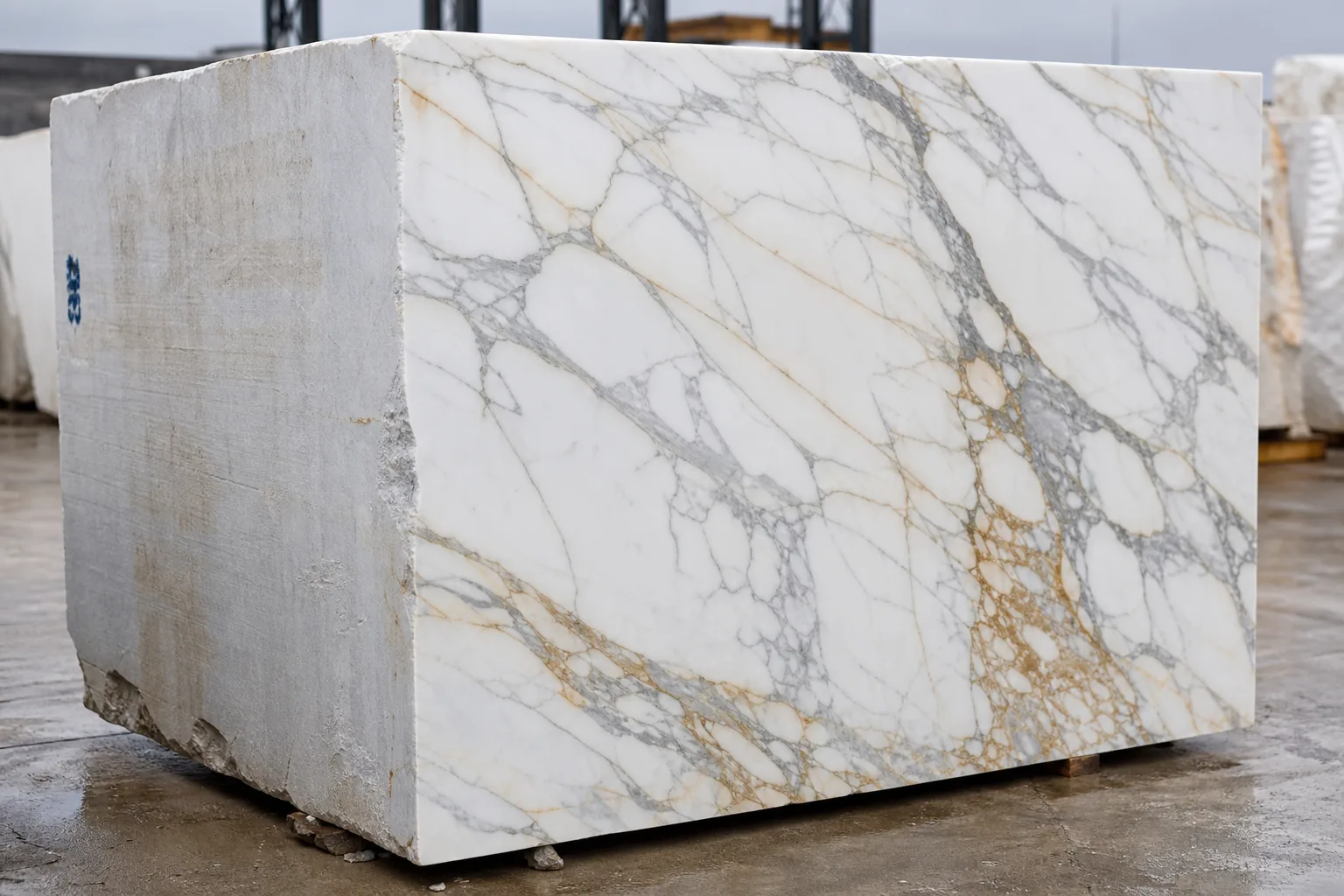
The short answer
Starting a stone import business means choosing a market niche, finding reliable quarries or processors abroad, securing capital for full containers, arranging freight, insurance and a customs broker, preparing a warehouse with heavy handling equipment and building sales channels to distributors or fabricators. The biggest risks are quality, breakage, delays, currency and cash flow.
Key takeaways
- Pick a niche: materials, origins or customer type.
- Supplier quality makes or breaks an importer.
- Containers require capital months before sales.
- Logistics and customs partners are essential.
Choose your niche
Importers succeed by being known for something: premium Italian marbles, Brazilian quartzites, value granites, Turkish travertine or exotic slabs. A clear niche guides supplier selection and marketing.

Find and vet suppliers
Visit quarries and processors, attend trade fairs such as Marmomac in Verona or Brazil's stone fairs, check references and start with trial orders. See evaluating a stone supplier and avoiding stone supplier scams.
Plan the money
| Cost | Timing |
|---|---|
| Deposit to supplier | At order |
| Balance | Against shipping documents |
| Freight and insurance | Before or at shipment |
| Duties and fees | At entry |
| Drayage and unloading | On arrival |
| Warehouse and staff | Ongoing |
Cash goes out months before the first slab sells. Plan working capital and consider pre-selling.
Build your logistics team
- Freight forwarder experienced with heavy cargo.
- Licensed customs broker.
- Cargo insurer.
- Drayage carrier for heavy containers.
See customs clearance for stone imports.
Warehouse
Even if you sell mostly to other distributors, you need space and equipment to receive, store and load containers safely. Some importers start with a third-party warehouse experienced in stone.
Sales channels
- Selling full bundles to distributors.
- Selling slabs to fabricators.
- Pre-selling incoming containers.
- Serving commercial projects.
Managing risk
- Inspect before shipment.
- Insure cargo.
- Diversify suppliers and origins.
- Monitor tariffs; see tariff planning.
- Watch currency exposure.
First-year priorities
Focus on a small number of reliable suppliers and materials, build a reputation for accurate photos and honest grading and learn your real landed costs container by container. Expansion is easier once these foundations work.
Building credibility with buyers
New importers need to earn trust. Accurate photos, honest grading, reliable delivery and quick problem resolution matter more than low prices in the long run.
First container checklist
- Supplier verified and trial terms agreed.
- Specifications and photos confirmed.
- Forwarder, broker and insurer in place.
- Warehouse ready to unload.
- Pre-sale plan for key bundles.
Systems for importers
Importers need to manage containers in transit, bundles and slabs on arrival and sales to many buyers. iBlocky handles incoming material, supplier photos, bundles and reservations. See our stone importer software overview.
Frequently asked questions
Do I need a license to import stone into the U.S.?
There is generally no special license for natural stone, but you must comply with customs requirements, usually through a licensed customs broker.
How much stone should a new importer buy?
Start with trial quantities of materials you can sell reliably, then scale based on results.
What are the biggest risks for stone importers?
Quality mismatches, breakage, delays, tariffs, currency swings and cash flow.