
Importing Marble from Italy: A Guide for U.S. Buyers
How U.S. distributors and importers buy marble from Italy: regions, suppliers, blocks vs slabs, inspection, shipping, customs and long-term relationships.
The short answer
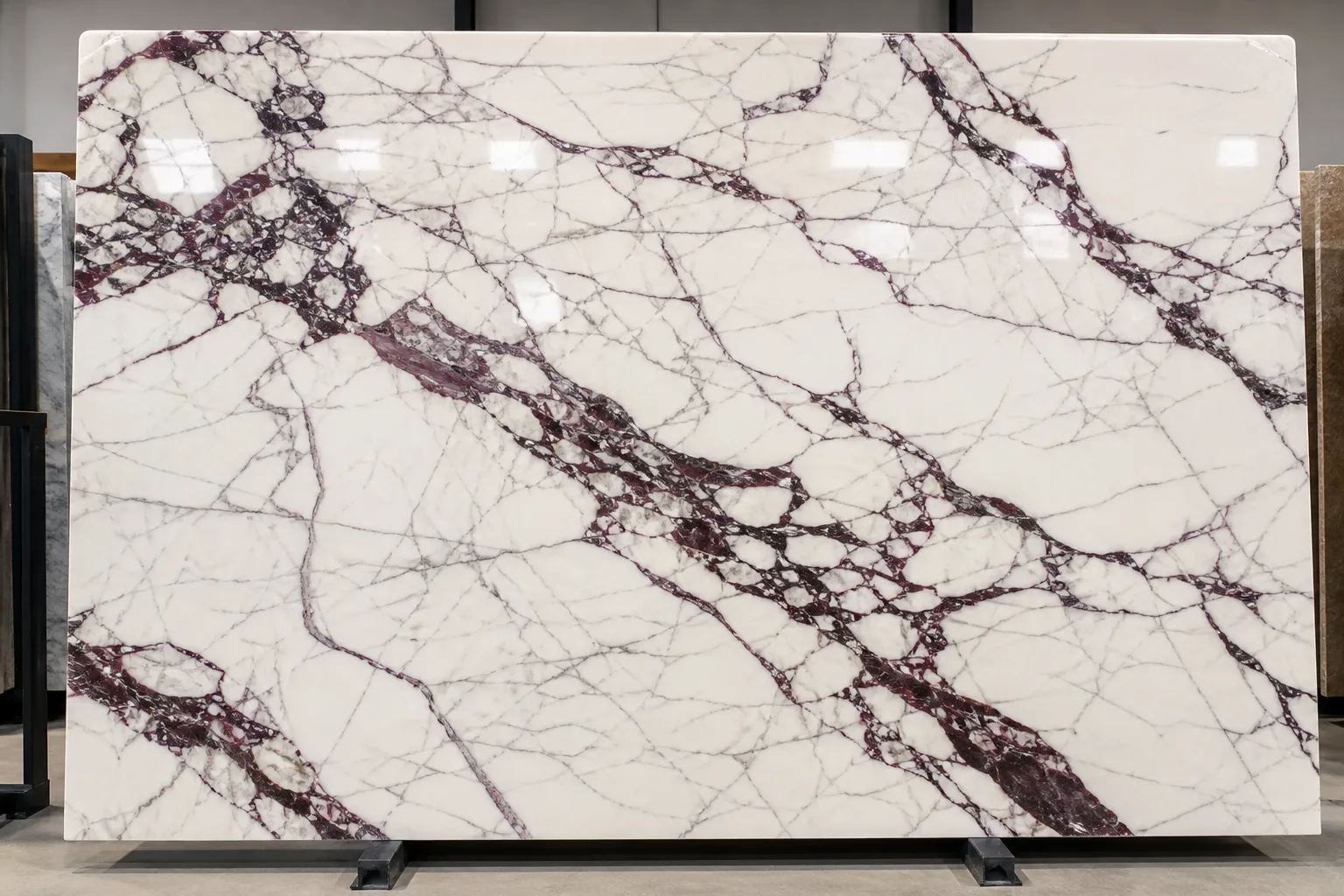
Importing marble from Italy usually means buying slabs or blocks from processors in Tuscany, especially around Carrara, or from the Veneto region near Verona, then shipping by container to a U.S. port. Success depends on choosing reliable suppliers, agreeing quality and specs in writing, inspecting before shipment, planning freight and customs with a broker and building long-term relationships.
Key takeaways
- Carrara and Verona areas are key Italian stone hubs.
- Agree material, grade, size and finish in writing with photos.
- Inspect or get detailed slab photos before shipment.
- Use a customs broker and plan landed cost carefully.
Where Italian stone comes from
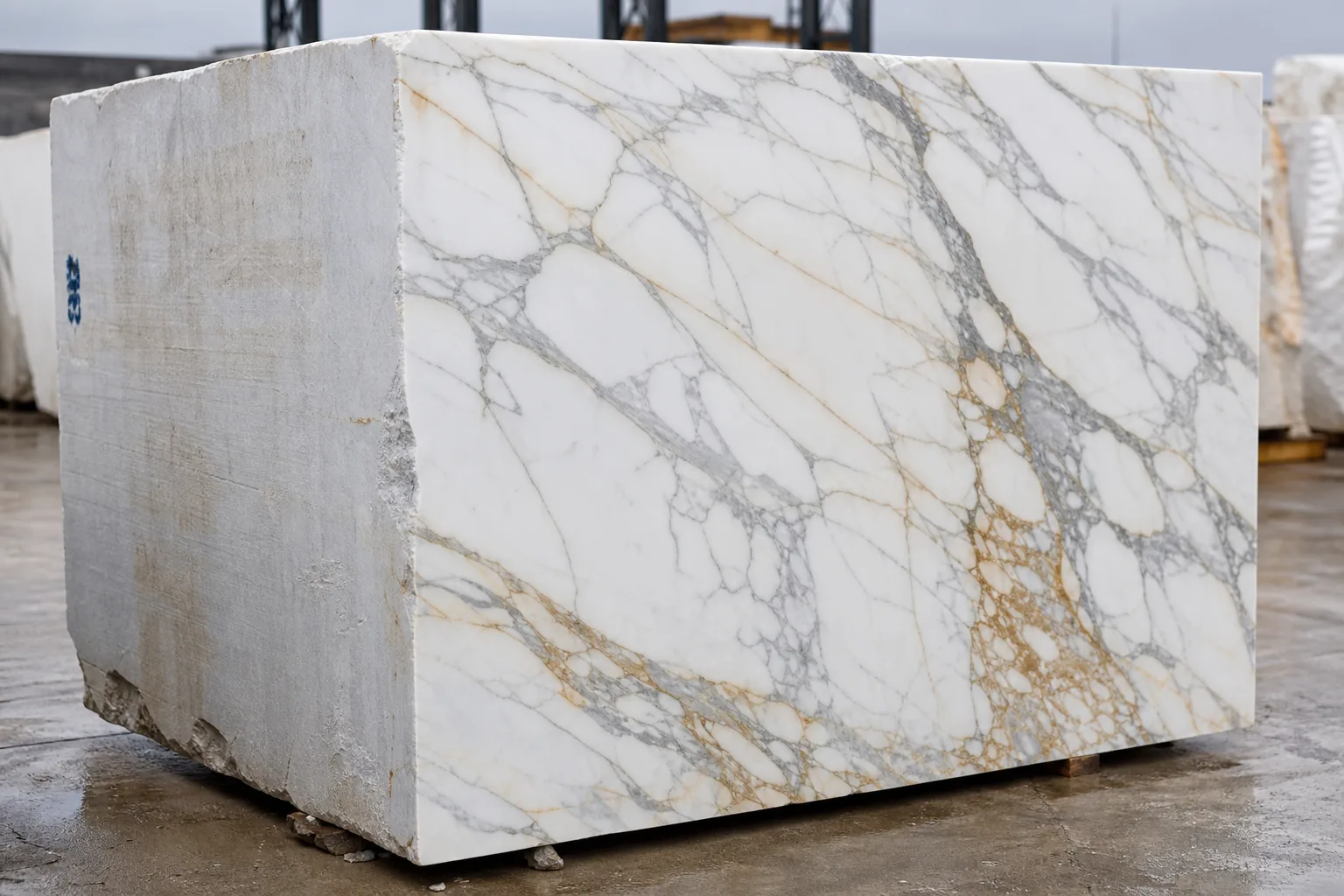
- Apuan Alps (Tuscany): Carrara, Massa and nearby areas supply Carrara, Calacatta, Statuario, Arabescato and other white marbles.
- Veneto: the Verona area is a major processing and trading hub, home to the Marmomac trade fair, with local stones such as Rosso Verona and processors handling stone from around the world.
- Other regions: many Italian regions produce limestone, travertine and colored marbles.
Read the history of Carrara marble.
Types of suppliers
| Supplier | What they offer |
|---|---|
| Quarry owner | Blocks, sometimes slabs; direct origin |
| Processor or sawmill | Slabs cut from purchased blocks |
| Trader or agent | Access to many quarries and processors |
| Exporter | Consolidation, documentation, shipping |
Blocks or slabs?
Most U.S. distributors buy finished slabs. Importers with sawing capacity or partners may buy blocks. Buying slabs simplifies logistics; buying blocks gives more control. See buying marble blocks.
Specify clearly
Your purchase order should include:
- Material and grade, with reference photos.
- Thickness and finish.
- Minimum slab dimensions.
- Resin and mesh treatment expectations.
- Packing method.
- Incoterm and delivery point. See Incoterms for stone imports.
Inspect before shipment
Visit, send an agent or request slab-by-slab photos and video. Agree on what happens if material does not meet the spec. See pre-shipment stone inspection.
Shipping
Stone is heavy, so containers often fill by weight before volume. Slabs ship in bundles on A-frames or in crates. Plan for transit time from Italian ports such as La Spezia, Genoa or Livorno to your U.S. port. See shipping stone in containers.
Customs and duties
Work with a licensed customs broker. Stone typically falls under HTS chapters 25 or 68 depending on processing. Duties and tariffs change, so confirm current rates before ordering. See HTS codes for marble and granite and tariff planning.
Payment
Common terms include deposits with balance on shipping documents, or letters of credit for larger orders. See payment terms for stone imports.
Build relationships
Italian suppliers value long-term partners. Regular orders, visits and clear communication often lead to better selection and priority on exceptional blocks.
Trade fairs
Marmomac in Verona is a major international stone fair where you can meet many suppliers in one trip. See stone industry trade shows.
Frequently asked questions
Where is Italian marble quarried?
The most famous white marbles come from the Apuan Alps around Carrara in Tuscany. Other regions produce colored marbles, limestones and travertines.
How long does it take to ship marble from Italy to the U.S.?
Ocean transit alone often takes a few weeks, plus production, port handling, customs and inland transport. Plan for several months from order to rack.
Do I need a customs broker to import marble?
A licensed customs broker is strongly recommended to handle classification, entry filing, duties and documentation.