
Buying Stone Remnants: How to Save on Small Projects
How to buy granite, marble and quartzite remnants for vanities, bars and small projects: where to find them, sizing, inspection, pricing and fabrication.
The short answer
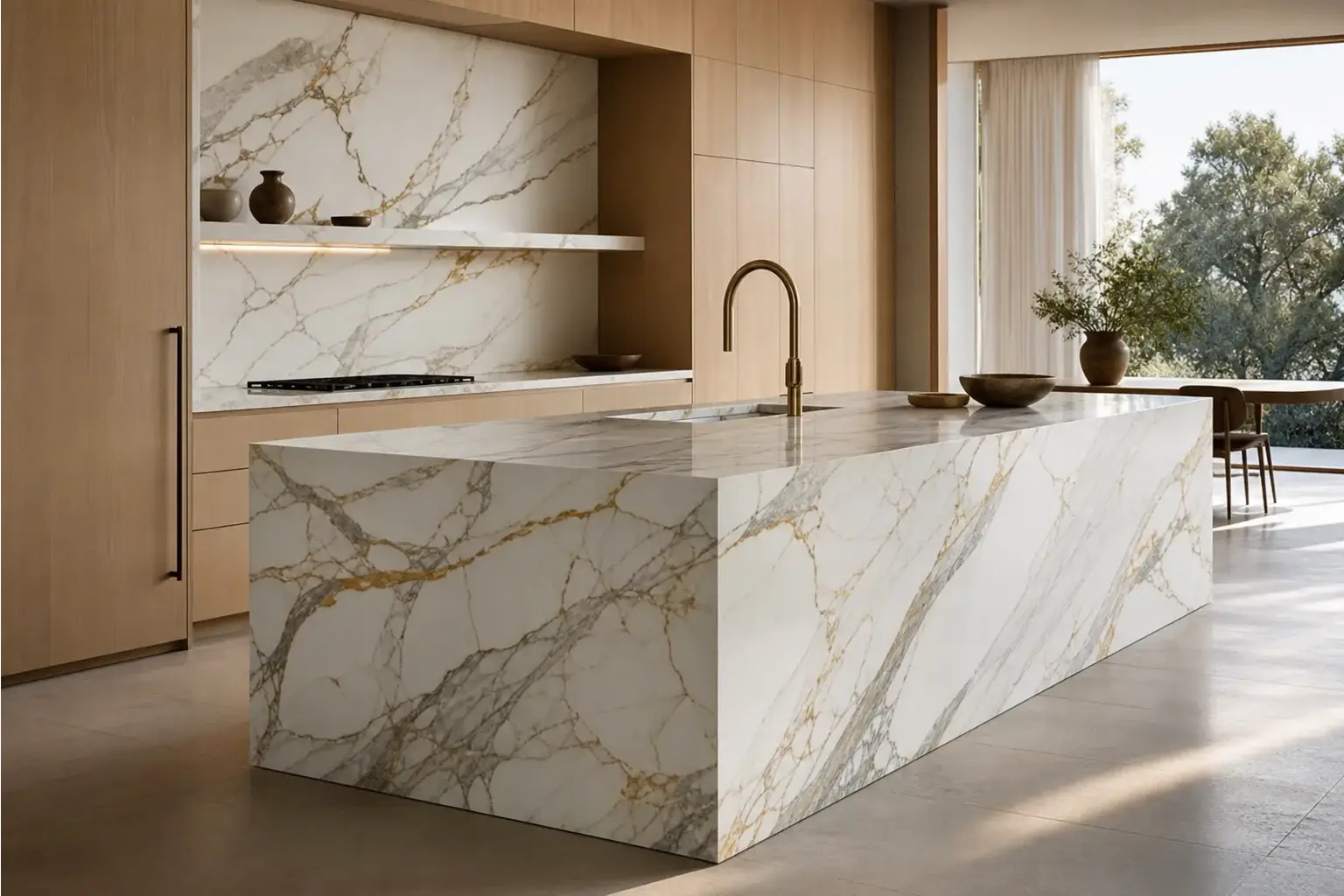
Stone remnants are leftover pieces from larger slabs, often sold at lower prices and ideal for bathroom vanities, bar tops, laundry rooms, fireplace surrounds and furniture. Measure your project first, browse remnant lists from yards and fabricators, inspect pieces for size and defects and confirm the fabricator can work with the piece you choose.
Key takeaways
- Remnants are ideal for small projects and can save money.
- Measure your project before shopping.
- Check usable size, thickness and defects.
- Coordinate with your fabricator before buying.
What remnants are
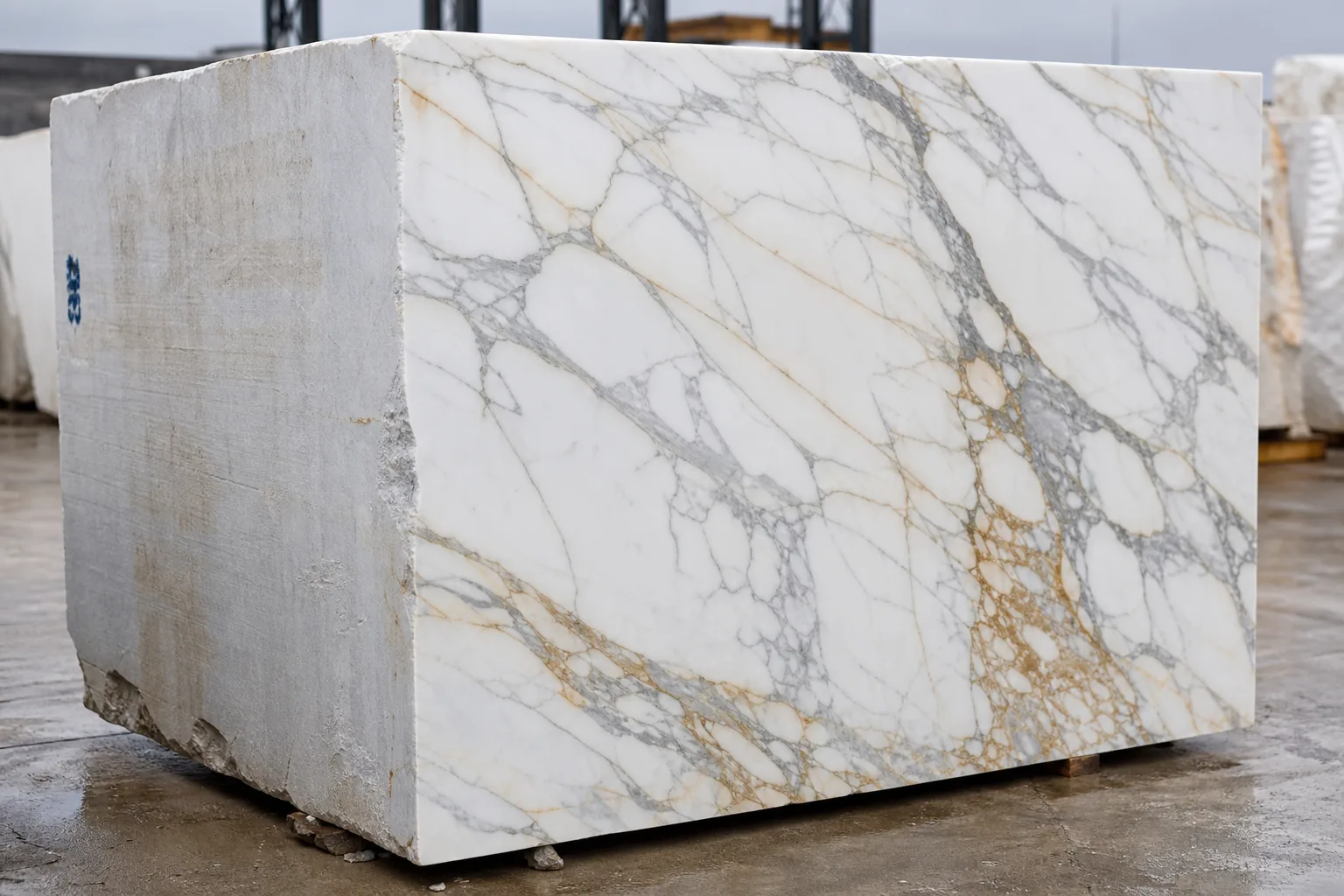
Remnants are pieces left over after cutting countertops, from damaged slabs or from bundles with odd sizes. They range from small pieces to substantial sections.
Good uses
- Bathroom vanities.
- Bar tops and kitchenettes.
- Laundry room counters.
- Fireplace hearths and surrounds.
- Window sills and thresholds.
- Tabletops and furniture.
- Shelves and niches.
Where to find remnants
- Slab yards with remnant racks or online lists.
- Fabricators with leftover pieces.
- Distributors clearing damaged slabs.
Measure first
Know the dimensions you need, including overhangs and sink or faucet cutouts, before shopping.
Inspect carefully
- Measure usable dimensions.
- Check thickness matches your needs.
- Look for cracks, chips and repairs.
- Confirm finish and edges.
- Check color under good light.
Pricing
Remnants are often priced lower than full slabs, but fabrication and installation costs still apply. Some fabricators sell remnants only with fabrication.
Matching
Remnants are often one-of-a-kind. If you need two matching pieces, look for remnants from the same slab.
Remnant sizes and what they fit
| Project | Typical remnant needs |
|---|---|
| Single bathroom vanity | Small to medium remnant |
| Double vanity | Larger remnant or partial slab |
| Bar top | Long, narrow piece |
| Fireplace surround | Several pieces from the same slab |
| Window sills | Narrow offcuts |
Matching remnants with existing stone
If you want a remnant to match an existing countertop, bring a photo or sample. Exact matches are rare, but a complementary stone can look intentional.
Remnant edges and finishing
Remnant edges are often rough or chipped. Your fabricator will cut them back, so the usable area is smaller than the piece. Measure usable size, not overall size.
Thickness consistency
Remnants come in the thickness of their original slabs. Make sure the thickness suits your project and matches any adjacent surfaces.
Buying through fabricators
Many fabricators keep remnants and offer fabrication and installation together. This can be simpler than buying a remnant yourself and finding a fabricator to cut it.
Getting the best value
Remnants are first come, first served. If you find the right piece, ask whether it can be held for a few days while you confirm measurements.
Environmental benefit
Using remnants keeps usable stone in service instead of discarding it. It is a small but real sustainability win.
Questions to ask at the remnant rack
- Is this piece reserved?
- Are there more pieces from the same slab?
- Can the fabricator cut and install it?
Frequently asked questions
Are remnants cheaper than full slabs?
Usually yes per piece, though fabrication and installation still add cost.
Can I use a remnant for a kitchen?
Only for very small kitchens or kitchenettes. Most kitchens need full slabs.
Where can I find granite remnants near me?
Ask local slab yards and fabricators, many of which keep remnant racks or online lists.