
How to Sell Stone Remnants Profitably
Turn marble, granite and quartzite remnants into revenue: measuring, photographing, pricing and listing remnants for vanities, tops and small projects.

The short answer
Stone remnants are leftover pieces large enough for vanities, bar tops, fireplace surrounds and other small projects. To sell them profitably, measure and photograph each piece, record material and thickness, price by usable size, list them where fabricators and homeowners can browse and remove them from listings as soon as they are sold.
Key takeaways
- Remnants are inventory: measure, photograph and number them.
- Price by usable area and material, not as scrap.
- A browsable remnant list sells far more than a pile in the yard.
- Keep the list current to avoid disappointed buyers.
Why remnants matter
Remnants come from partially used slabs, damaged slabs cut down or offcuts returned after a job. Left unmanaged, they take up space and eventually get thrown away. Managed well, they become a steady stream of small sales and a way to bring new customers to your yard.
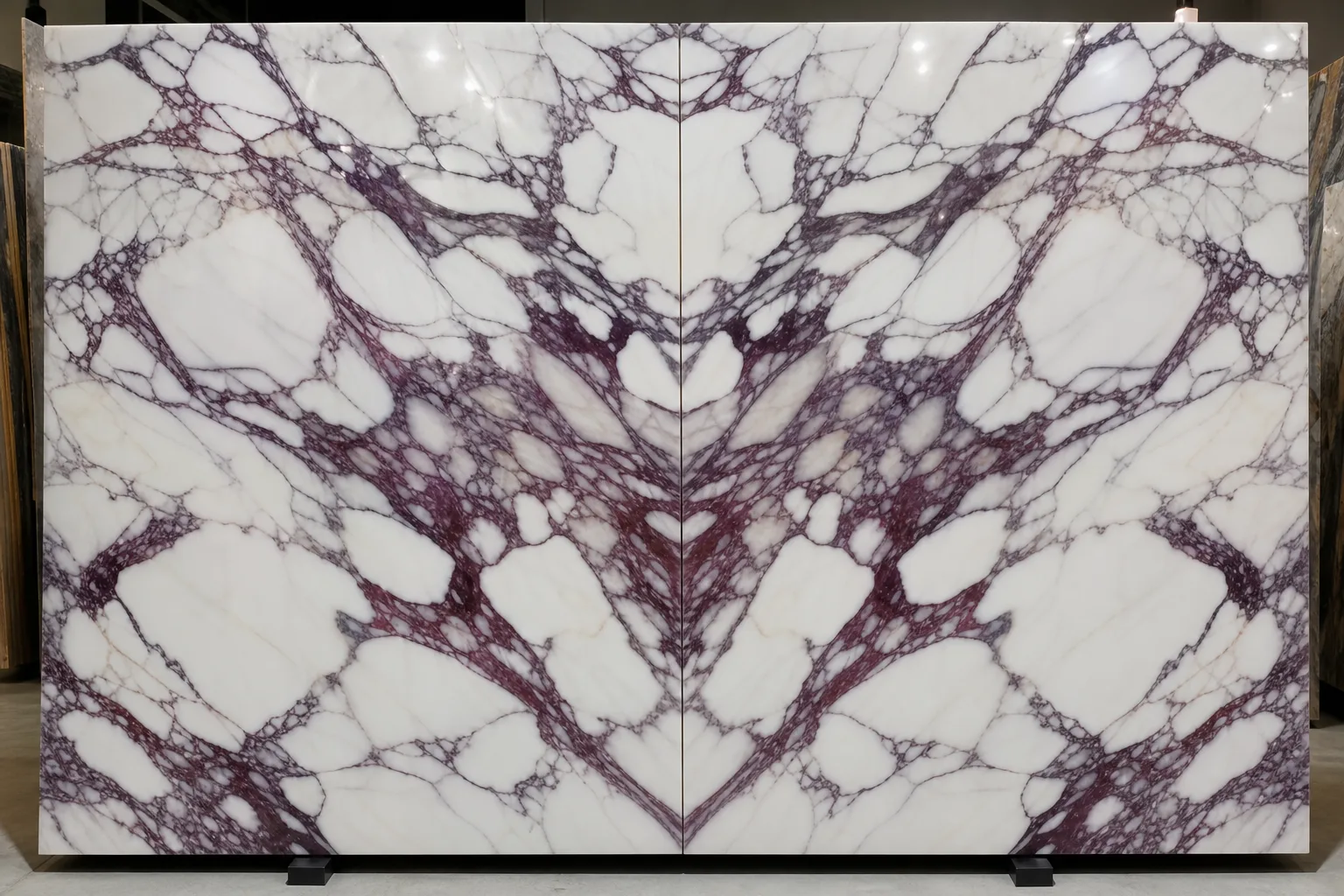
Who buys remnants
- Homeowners doing a bathroom vanity or laundry room.
- Fabricators finishing small jobs quickly.
- Contractors needing window sills, thresholds or shelves.
- Makers building tables and furniture.
Treat every remnant as inventory
- Give each remnant an ID linked to the original material.
- Measure usable dimensions, noting irregular shapes.
- Record thickness, finish and any defects.
- Photograph it flat or upright with a size reference.
- Store it where it can be found, ideally on dedicated racks.
For warehouse practices, see remnant inventory management.
Price remnants simply
Many yards use size bands per material group, such as small, medium and large, or a per-square-foot price for usable area. Keep it simple enough that the yard team can quote without a manager.
Make remnants easy to browse
A remnant list that buyers can see online sells far more than a pile in the corner of the yard. Show photos, dimensions, material and thickness. Fabricators especially appreciate being able to check remnants before driving over.
Keep the list accurate
Remove remnants from listings immediately when they are sold or cut. Nothing frustrates a buyer more than driving to the yard for a piece that left last week.
Remnants as a lead generator
Homeowners who buy a remnant for a vanity may come back for a kitchen. Collect contact details and follow up when relevant materials arrive.
Remnant promotions that work
- A monthly "remnant of the month" post on social media.
- A remnant section in new-arrival emails to fabricators.
- Bundling several remnants of the same material for one buyer.
- Quick vanity packages with standard sizes.
Promote remnants consistently and they become a reason for new customers to visit.
Remnants in iBlocky
iBlocky can store remnants as their own records with photos, dimensions and material details, and share a curated remnant selection by link. Status updates when a remnant is reserved or sold, so buyers see what is really available.
Frequently asked questions
What can stone remnants be used for?
Bathroom vanities, bar tops, laundry counters, fireplace surrounds, window sills, shelves, tabletops and other small projects.
How should remnants be priced?
Many yards use simple size bands per material group or a per-square-foot price for usable area, so staff can quote quickly.
Should remnants be listed online?
Yes. A browsable list with photos and dimensions helps fabricators and homeowners find pieces before visiting.