
Importing Quartzite and Granite from Brazil
A guide for U.S. importers buying Brazilian quartzite and granite: key regions, exotic materials, processors, quality checks, shipping and customs planning.
The short answer
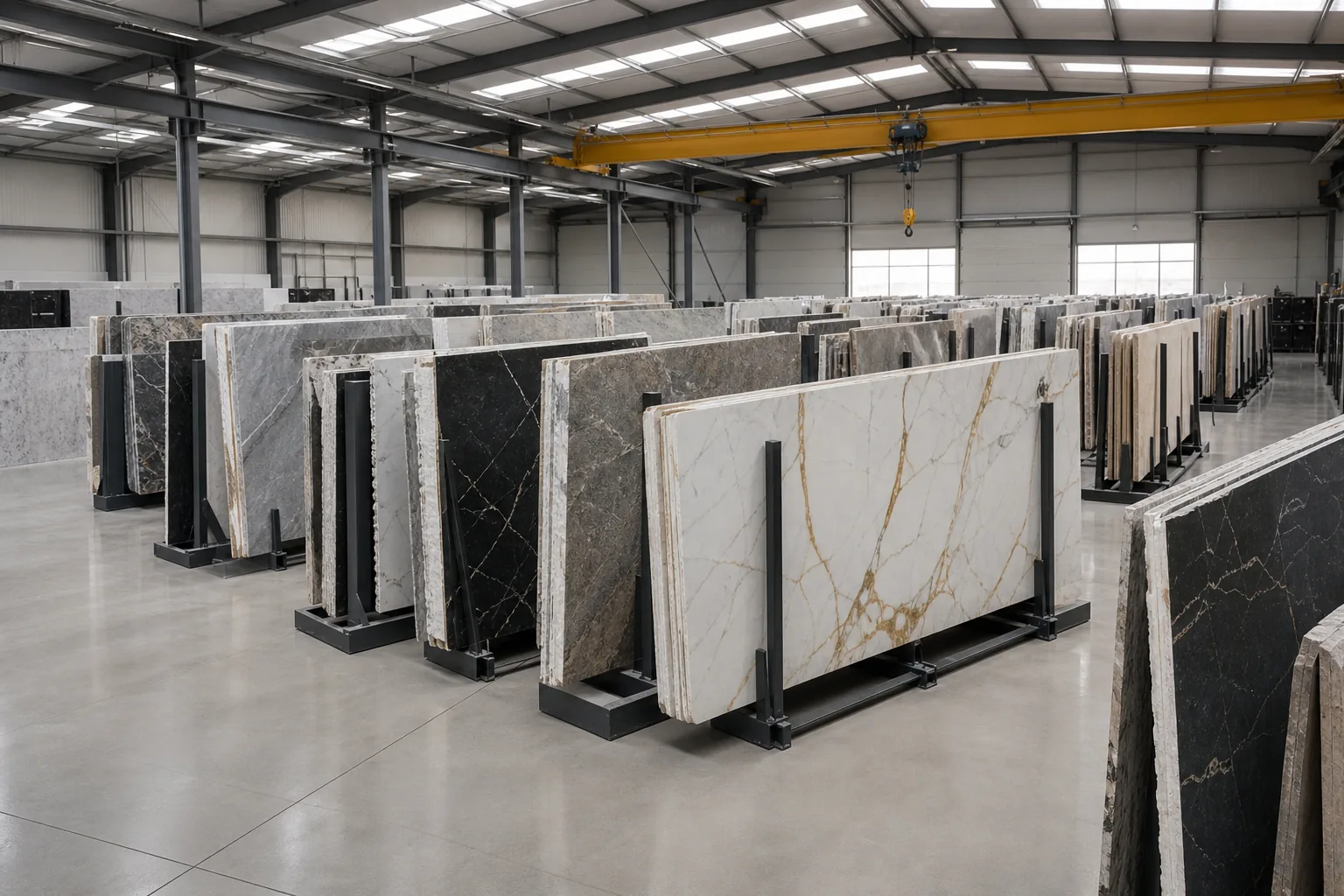
Brazil is a leading source of quartzite and granite for the U.S. market, including many exotic materials. Importers typically buy slabs from processors in Espírito Santo and elsewhere, ship from Brazilian ports to the U.S. East or Gulf Coast and must manage quality checks, resin treatment, grading and customs. Clear specifications and inspection are essential.
Key takeaways
- Brazil supplies many popular quartzites and exotic granites.
- Espírito Santo is a major processing region.
- Resin treatment and mesh are common on Brazilian exotics.
- Inspect and document slabs before shipment.
Why Brazil matters
Brazil's geology produces a wide variety of quartzites, granites and exotic stones. Many popular quartzites in U.S. kitchens come from Brazil, as do numerous colorful granites and statement stones.
Key regions
- Espírito Santo: major processing hub with many sawmills and exporters.
- Minas Gerais and Bahia: important quarrying regions for quartzite and exotic stones.
Popular materials
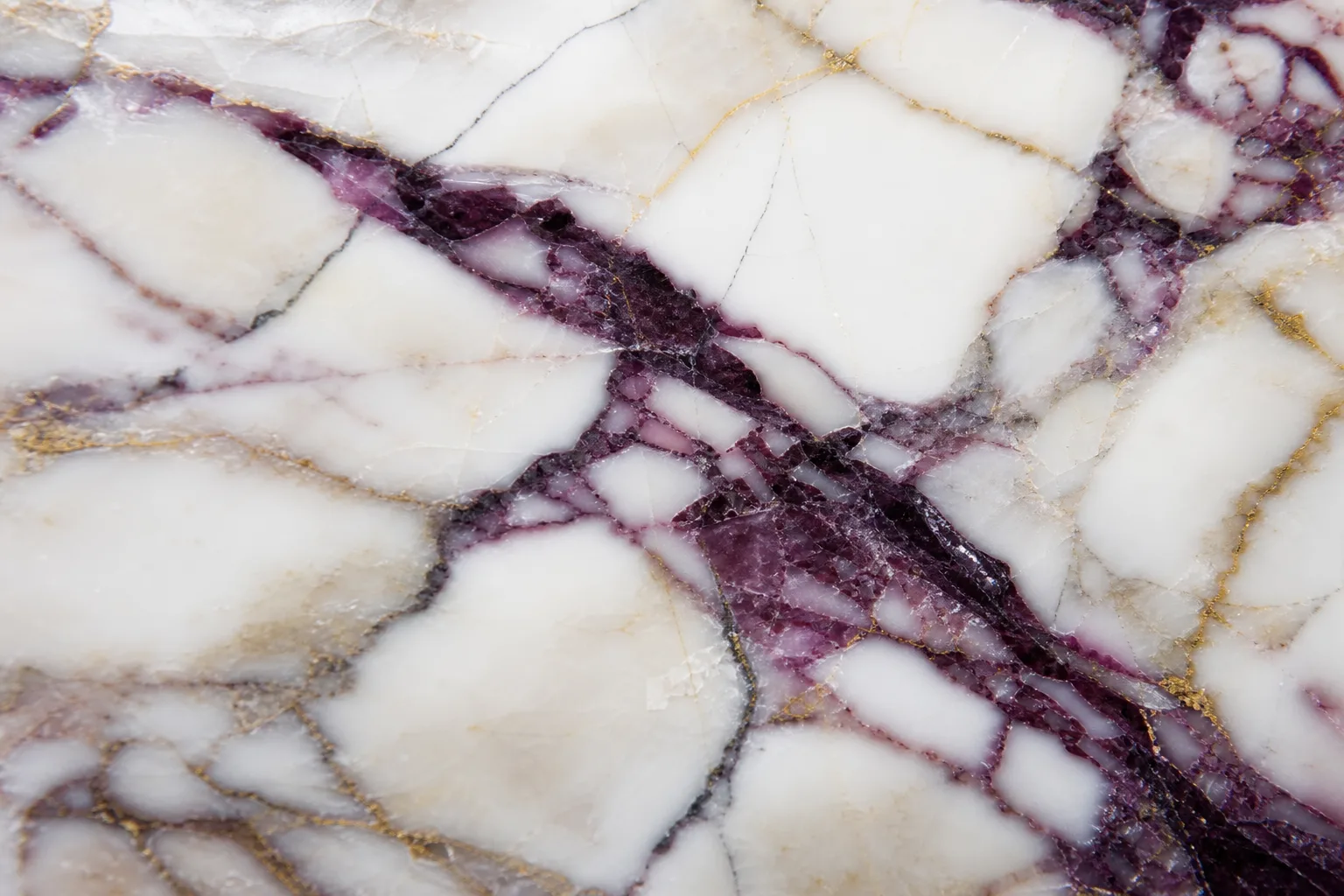
Brazilian materials commonly found in U.S. yards include many white and colored quartzites, such as Taj Mahal, and numerous granites. Exotic and semi-exotic stones are frequently sourced from Brazil. See Taj Mahal quartzite and exotic stones guide.
Processing and treatment
Brazilian processors widely use resin treatment, and fragile stones are often mesh-backed. Specify your expectations and inspect treatment quality. See resin and mesh-backed slabs.
Quality checks
| Check | Why |
|---|---|
| Slab-by-slab photos | Exotic stones vary widely |
| Thickness consistency | Affects fabrication |
| Resin quality | Cloudy or bubbled resin reduces value |
| Polish quality | Inconsistent shine is common issue |
| Packing | Breakage risk in transit |
Shipping
Containers typically ship from Brazilian ports such as Vitória to U.S. ports. Transit times vary. Plan for weather, port congestion and transshipment.
Customs and duties
Classification depends on material and processing level. Confirm duty treatment with your customs broker before ordering, since rates and trade measures change. See customs clearance for stone imports.
Verify material type
Some materials marketed as quartzite may be dolomitic. Ask for technical data and test samples. See how to tell if quartzite is real.
Relationships and visits
Visiting processors helps you understand their quality, select material directly and build priority access to exceptional blocks.
Building relationships with Brazilian processors
Many Brazilian processors are family businesses that value long-term buyers. Visiting during production, understanding their block sources and giving clear feedback on what sells in the U.S. can earn you priority on exceptional blocks.
Working with agents
Local agents can help select blocks, inspect slabs, coordinate shipments and communicate in Portuguese. Agree clearly on their role, fees and responsibilities.
Planning around exotics
Exotic Brazilian stones are often available in small lots. Decide quickly when exceptional material appears, and make sure your sales channels can move it.
Frequently asked questions
What stones does Brazil export to the U.S.?
Mainly quartzites, granites and exotic stones, many of which are popular for kitchen countertops.
Are Brazilian quartzites resin-treated?
Many are, especially exotic and fragile materials. Resin treatment is standard; inspect its quality.
How do I avoid quality issues with Brazilian stone?
Specify grade, thickness, treatment and packing in writing, request slab-by-slab photos and video and inspect before shipment when possible.