
Marble Tile vs Marble Slab: Which Should You Use?
Compare marble tile and slab for floors, walls, showers and backsplashes: look, cost, installation, grout lines, waterproofing and maintenance.
The short answer
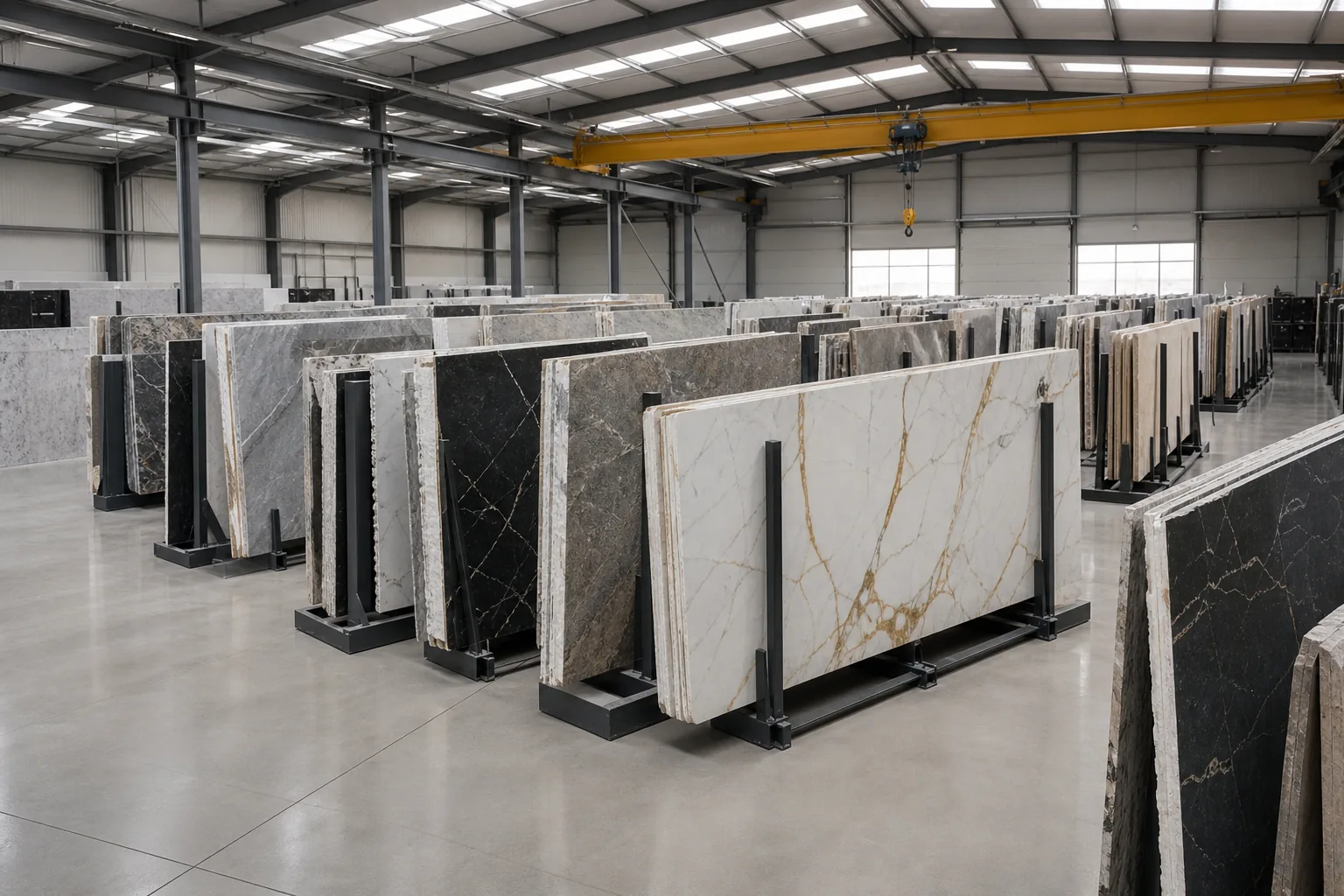
Marble slabs create seamless, continuous surfaces with dramatic veining and fewer grout lines, ideal for countertops, shower walls and statement backsplashes. Marble tiles are easier to handle, cost less to install in many cases and suit floors and complex layouts. The choice depends on the look you want, the area, budget and installer.
Key takeaways
- Slabs show continuous veining with few seams.
- Tiles are easier to transport and install.
- Floors usually use tile; countertops use slabs.
- Fewer grout lines mean easier cleaning.
Comparison
| Factor | Slab | Tile |
|---|---|---|
| Look | Continuous, dramatic | Pattern repeated, more joints |
| Grout lines | Few | Many |
| Installation | Fabricator, heavy, specialized | Tile setter, lighter |
| Cost | Often higher for material and install | Often lower |
| Cutting | Templated and cut | Cut on site |
| Best for | Countertops, shower walls, feature walls | Floors, complex layouts |
Shower walls
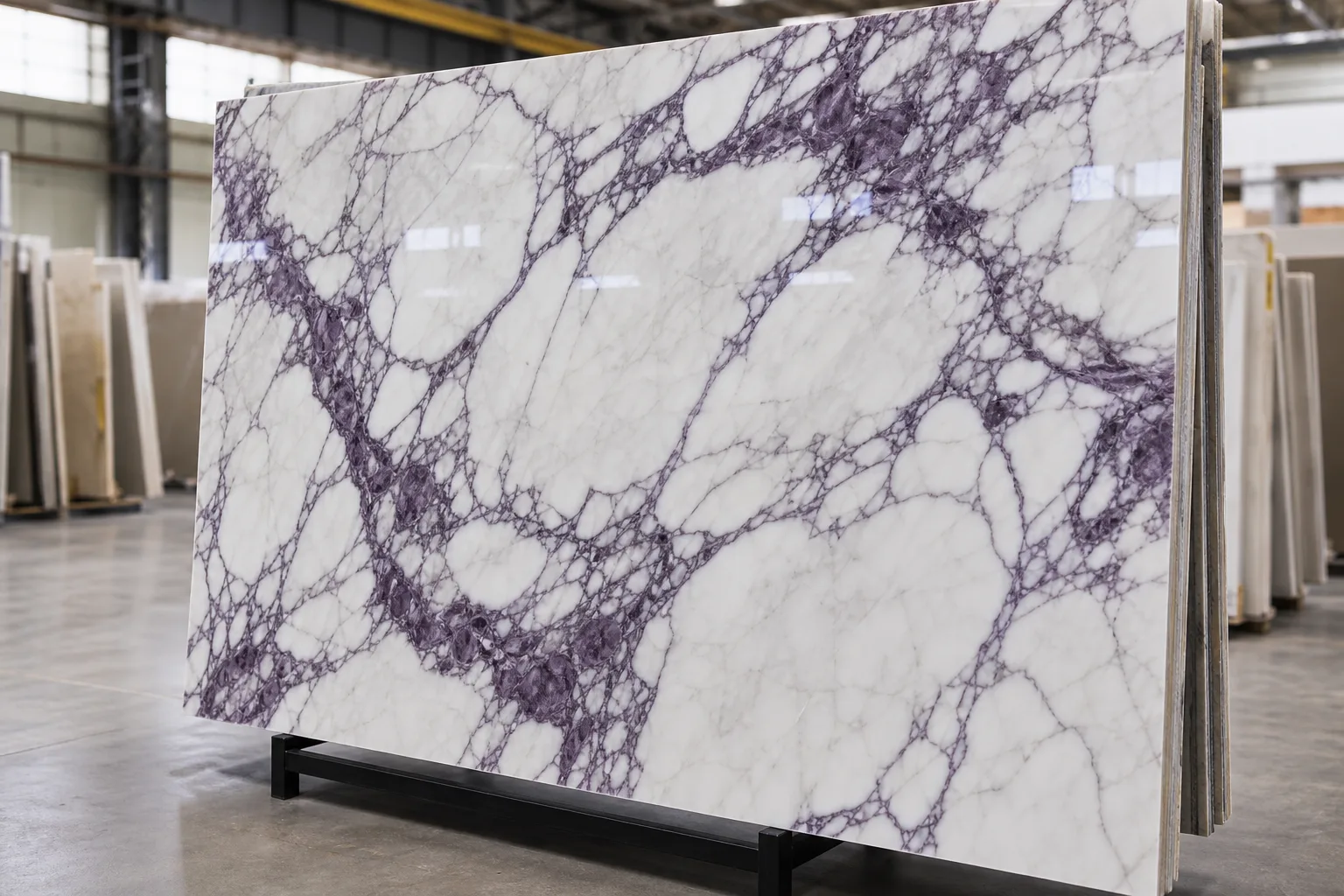
Slab showers look luxurious and have fewer grout joints to clean. They require precise templating and careful installation. Tile showers are more forgiving and common.
Backsplashes
A full-height slab backsplash continues the countertop's veining. Tile backsplashes allow patterns like herringbone or subway.
Floors
Tiles dominate floors because they are easier to install, replace and level. Large-format tiles reduce grout lines.
Cost considerations
Slab materials may cost more per square foot, and fabrication and installation require specialists. Tile installation is more widely available.
Mixing
Many projects combine slab countertops with tile floors or slab walls with mosaic floors.
How to decide for each area
Kitchen countertops
Slabs are standard. Tile countertops are rare today because grout lines are hard to clean.
Backsplashes
Both work. Slab backsplashes create a seamless, luxurious look; tile offers patterns and is easier to repair.
Shower walls
Slabs offer fewer grout lines and continuous veining but need skilled installation and proper waterproofing. Tiles are more common and forgiving.
Shower floors
Small tiles or mosaics are preferred because grout lines add traction and allow slope to the drain.
Bathroom and living area floors
Tiles, often large-format, are standard. Slabs on floors are rare and require special installation.
Cost comparison factors
| Factor | Slab | Tile |
|---|---|---|
| Material cost per area | Often higher | Often lower |
| Fabrication | Templating and cutting by fabricator | Cutting on site |
| Installation labor | Specialized | Widely available |
| Repair | Harder | Easier to replace a tile |
Matching tile and slab
Some suppliers offer tiles and slabs of the same material. Even then, color can vary between production lots, so view both together before buying.
Maintenance
Fewer grout lines mean less cleaning. Sealed grout and stone-safe cleaners keep tile surfaces looking good.
Mixing slab and tile in one bathroom
A popular approach uses slab for the vanity top and shower walls and tile or mosaic for the floor and shower pan. Choose tiles from the same material family so tones relate, and view everything together under bathroom lighting before ordering. Ask the supplier whether tiles come from the same quarry and production period as the slabs.
Frequently asked questions
Is a marble slab shower worth it?
For many homeowners, yes: fewer grout lines and continuous veining create a luxury look. It costs more and needs skilled installation.
Can marble slabs be used on floors?
Sometimes, in large luxury spaces, but tiles are far more common for floors.
Is marble tile cheaper than slab?
Often yes in material and installation, but it depends on the specific products and layout.