
Natural Stone Grades Explained: What 'First Choice' Really Means
Understand natural stone grading terms like first choice, commercial and standard: why there is no universal standard and how to judge slab quality yourself.
The short answer
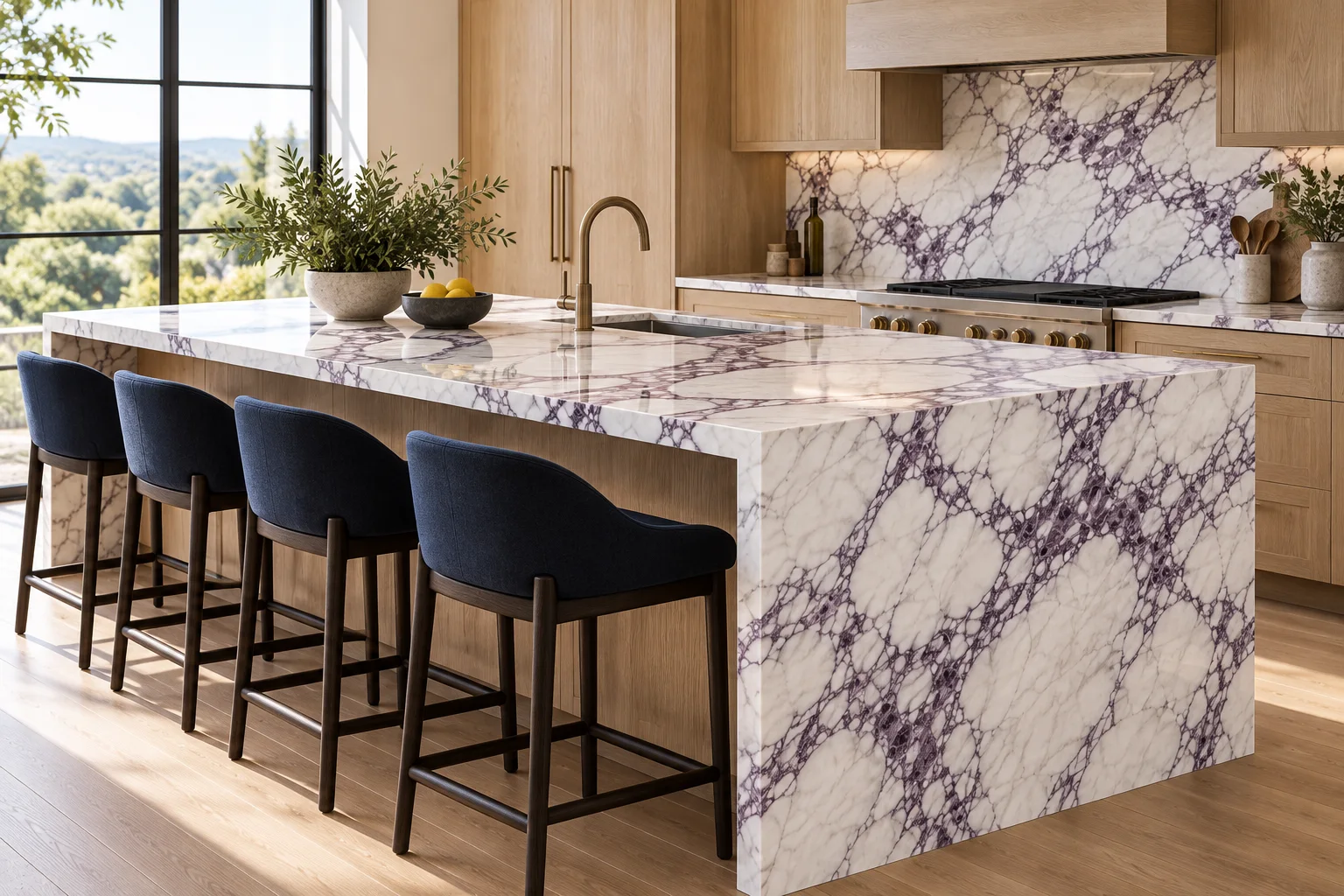
There is no universal grading standard for natural stone slabs. Terms such as first choice, second choice, commercial or premium are defined by each quarry or supplier, usually based on color consistency, pattern, defects and size. Treat grades as a starting point and judge the actual slabs, asking the supplier what their grade means in writing.
Key takeaways
- Grades are supplier-specific, not industry-wide.
- Common criteria: color, pattern, defects, size.
- Two suppliers' 'first choice' may differ significantly.
- Inspect slabs and get grade definitions in writing.
Why grades exist
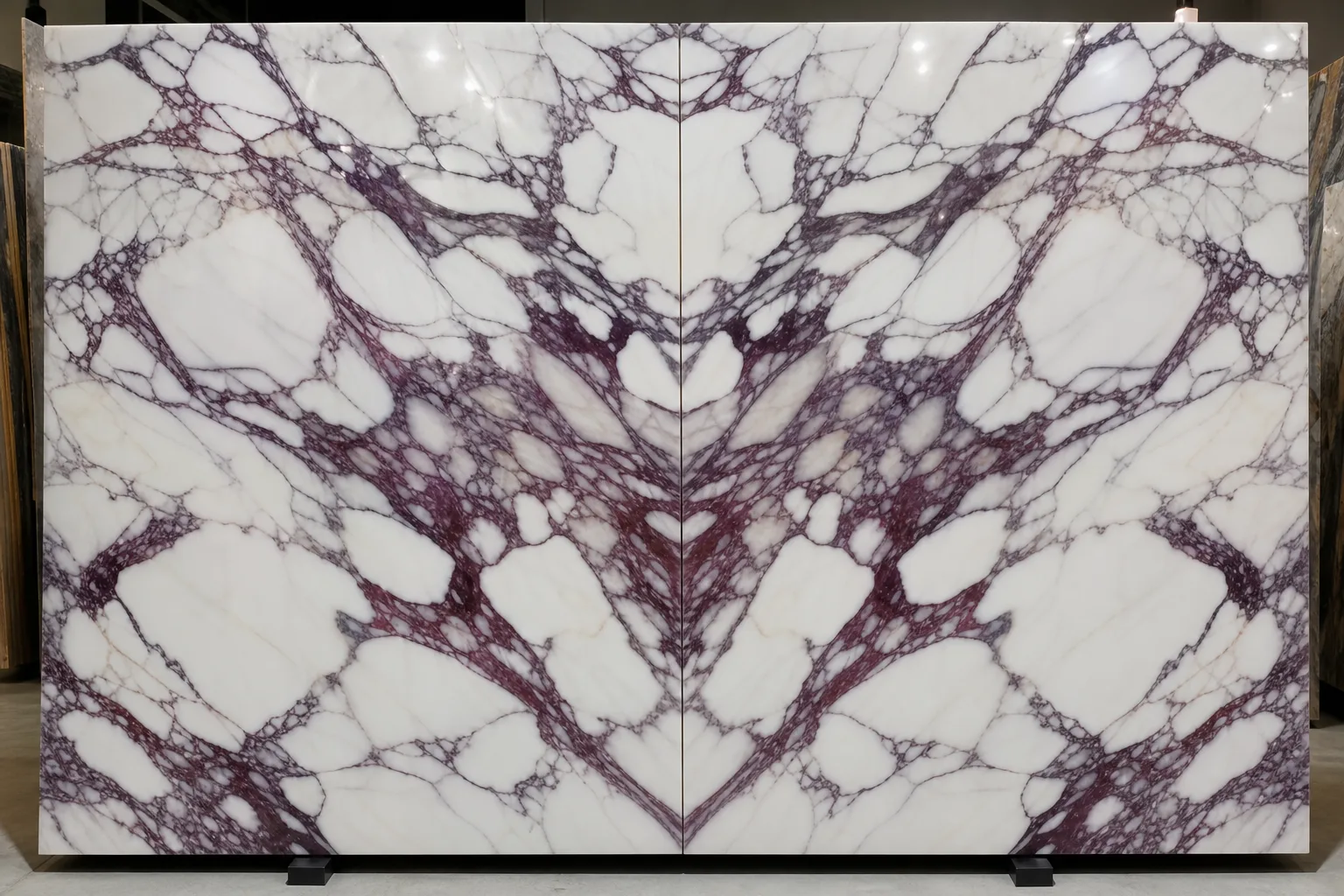
Quarries and processors sort material to price it. Blocks with excellent color and few defects become premium slabs; blocks with more defects or less desirable patterns are sold at lower prices. Grades are the language they use.
Common grade terms
| Term | Typical meaning |
|---|---|
| Extra, premium, first choice | Best color, pattern and fewest defects |
| Standard, second choice | Acceptable quality, some variation or defects |
| Commercial | More defects or variation, priced lower |
| Third choice, economy | Significant defects; specific uses |
These meanings are typical, not guaranteed.
Criteria suppliers use
- Background color consistency.
- Vein pattern and balance.
- Fissures, cracks and resin repairs.
- Pits, spots and inclusions.
- Slab size and shape.
Why you cannot rely on grade alone
Two suppliers may grade the same material differently, and grading can vary between containers. A slab sold as first choice by one supplier might be standard elsewhere. That is why inspecting the actual slabs matters. See how to inspect a marble slab.
Grading for importers
Importers buying from quarries should agree grading criteria in the purchase contract, with reference photos, and inspect before shipment if possible. See pre-shipment stone inspection.
Grade and price
Higher grades cost more, but a commercial-grade slab may be ideal for a project where defects can be cut out or hidden. Ask your fabricator whether a lower grade works with your layout.
Questions to ask
- What does your grade mean for this material?
- Can you show me examples of each grade?
- Are the slabs I am buying all the same grade?
- Is grade stated on the invoice?
How to inspect grade yourself
- Look at the background color for consistency.
- Check vein balance and how it fits your layout.
- Count and assess fissures, repairs and spots.
- Compare with other slabs of the same material.
Grade and project fit
A premium-grade slab matters most on visible statement surfaces like islands and feature walls. For laundry rooms, secondary bathrooms or areas with many cutouts, a lower grade can perform and look perfectly fine at a lower price.
Grades on imported containers
Importers should agree on grading criteria in writing, supported by reference photos, before material ships. Disputes about grade are much easier to resolve with an agreed reference.
Frequently asked questions
Is there an official grading system for marble?
No universal system exists for slabs. Grades are defined by individual quarries and suppliers.
Is commercial grade granite bad?
Not necessarily. It may have more variation or defects, but it can work well where layouts avoid problem areas.
Should grade appear on my invoice?
It helps. Ask the supplier to state the grade and what it means, especially for large or premium purchases.