
Negotiating with Stone Suppliers: Price, Terms and Selection
How importers and fabricators negotiate with stone suppliers: preparation, volume, terms, selection rights, quality guarantees and long-term relationships.

The short answer
Effective negotiation with stone suppliers goes beyond price. Prepare with market knowledge and your volume forecast, negotiate payment terms, selection rights, quality guarantees, packing standards and claims handling, and build long-term relationships that earn priority access to the best material.
Key takeaways
- Know your volume and market before negotiating.
- Terms and quality guarantees are worth as much as price.
- Selection rights protect you from leftover slabs.
- Long-term partners get the best blocks.
Prepare
- Know current market prices for the materials.
- Forecast your volume for the year.
- Know your landed cost targets.
- Understand the supplier's situation.
What to negotiate
| Item | Why |
|---|---|
| Price | Obvious, but not the only factor |
| Payment terms | Affects cash flow |
| Selection rights | Choose slabs or blocks |
| Quality guarantees | What happens if specs are not met |
| Packing | Reduces breakage |
| Delivery schedule | Aligns with your sales |
| Claims process | How problems are resolved |
Use volume wisely
Commitments to regular orders can earn better prices and terms. Avoid overcommitting.
Selection rights
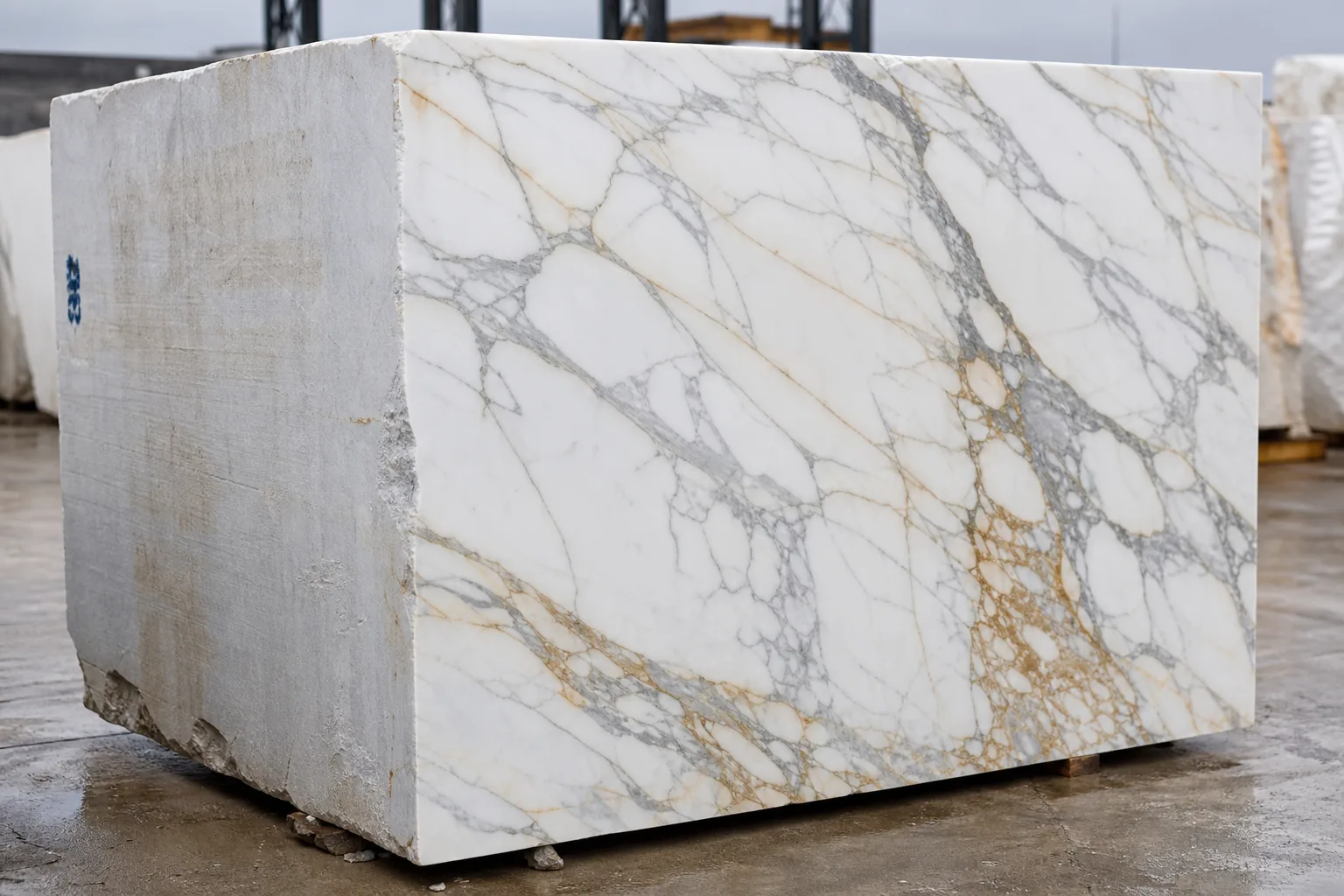
Ask to select slabs or blocks, or agree on grading with reference photos. Without selection rights, you may receive less desirable material.
Build relationships
Suppliers remember reliable buyers who pay on time and communicate clearly.
Put it in writing
Document agreed terms in purchase contracts.
Preparing your negotiation file
Before meeting suppliers, prepare:
- Sales history by material.
- Landed cost targets.
- Expected volume for the next year.
- Quality issues from past shipments with photos.
- Desired payment and delivery terms.
Negotiation in practice
| Supplier concern | Your offer |
|---|---|
| Cash flow | Faster payment or deposits |
| Volume certainty | Annual commitment ranges |
| Market feedback | Sales data and customer insights |
| Long-term partnership | Consistent orders and visits |
Cultural considerations
Business customs vary by country. Many stone suppliers value personal relationships, face-to-face meetings and long-term trust over aggressive bargaining.
Avoiding common mistakes
- Negotiating only on price.
- Overpromising volume you cannot buy.
- Ignoring packing and quality terms.
- Failing to document agreements.
Renegotiating when conditions change
When freight, tariffs or currencies move sharply, both sides may need to revisit terms. Approach renegotiation openly with data.
Measuring the outcome
Track landed cost, quality, breakage and delivery reliability after negotiations. A slightly higher price with better quality often yields better margins.
Building win-win agreements
Suppliers who feel treated fairly tend to offer priority on exceptional blocks and help when problems arise.
Negotiating as a fabricator with distributors
Fabricators negotiating with local distributors can trade volume and loyalty for better pricing, priority pickups and early access to new arrivals. Concentrating purchases with fewer distributors often brings better treatment than spreading orders thinly.
Negotiating holds and timing
Ask for longer holds on large orders or flexible pickup windows instead of price reductions. Non-price terms often matter as much to your business.
Final advice
Negotiate firmly on facts and fairly on relationships. In stone, today's supplier is often tomorrow's best source of exceptional blocks.
Frequently asked questions
Can I negotiate prices with stone quarries?
Yes, especially with volume commitments, repeat orders and good payment history.
What matters more than price in stone purchasing?
Quality consistency, selection rights, packing, payment terms and claims handling often matter as much as price.
How do I get access to the best blocks?
By becoming a reliable long-term customer and communicating your needs clearly.