
What Is Quartzite? The Stone Behind the Marble Look
What quartzite is, how it forms from sandstone, why it is so hard, popular varieties, where it comes from and how to care for quartzite countertops.
The short answer
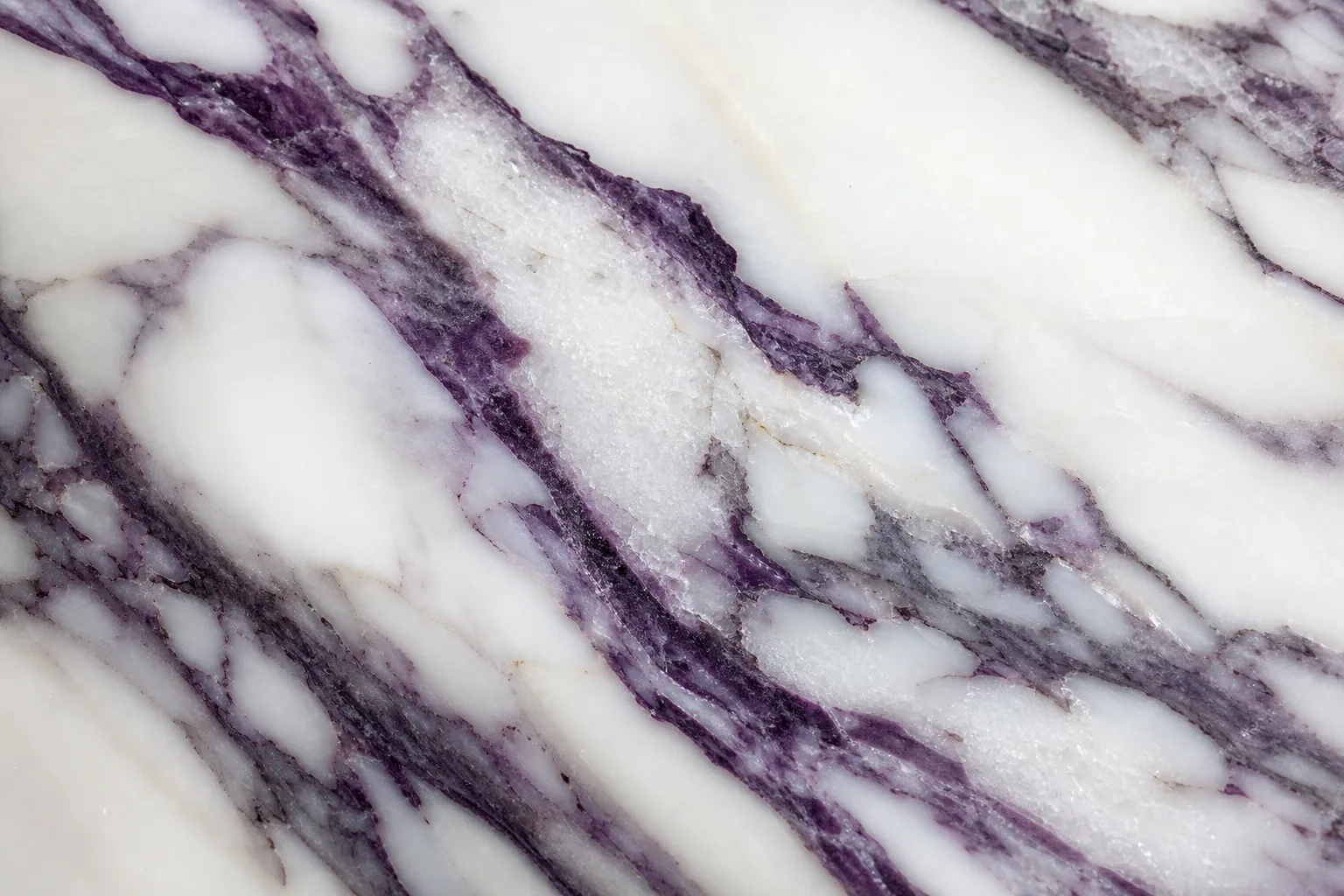
Quartzite is a metamorphic rock formed when quartz-rich sandstone is heated and compressed until its grains fuse into a dense mass of interlocking quartz. It is about 7 on the Mohs hardness scale, resists etching from household acids and often shows marble-like veining. Brazil is the leading source of the quartzite slabs sold in the U.S.
Key takeaways
- Quartzite forms from sandstone under heat and pressure.
- It is mostly quartz, one of the hardest common minerals.
- Colors come from trace minerals such as iron oxides.
- Not every stone sold as quartzite is true quartzite.
Not the same as quartz
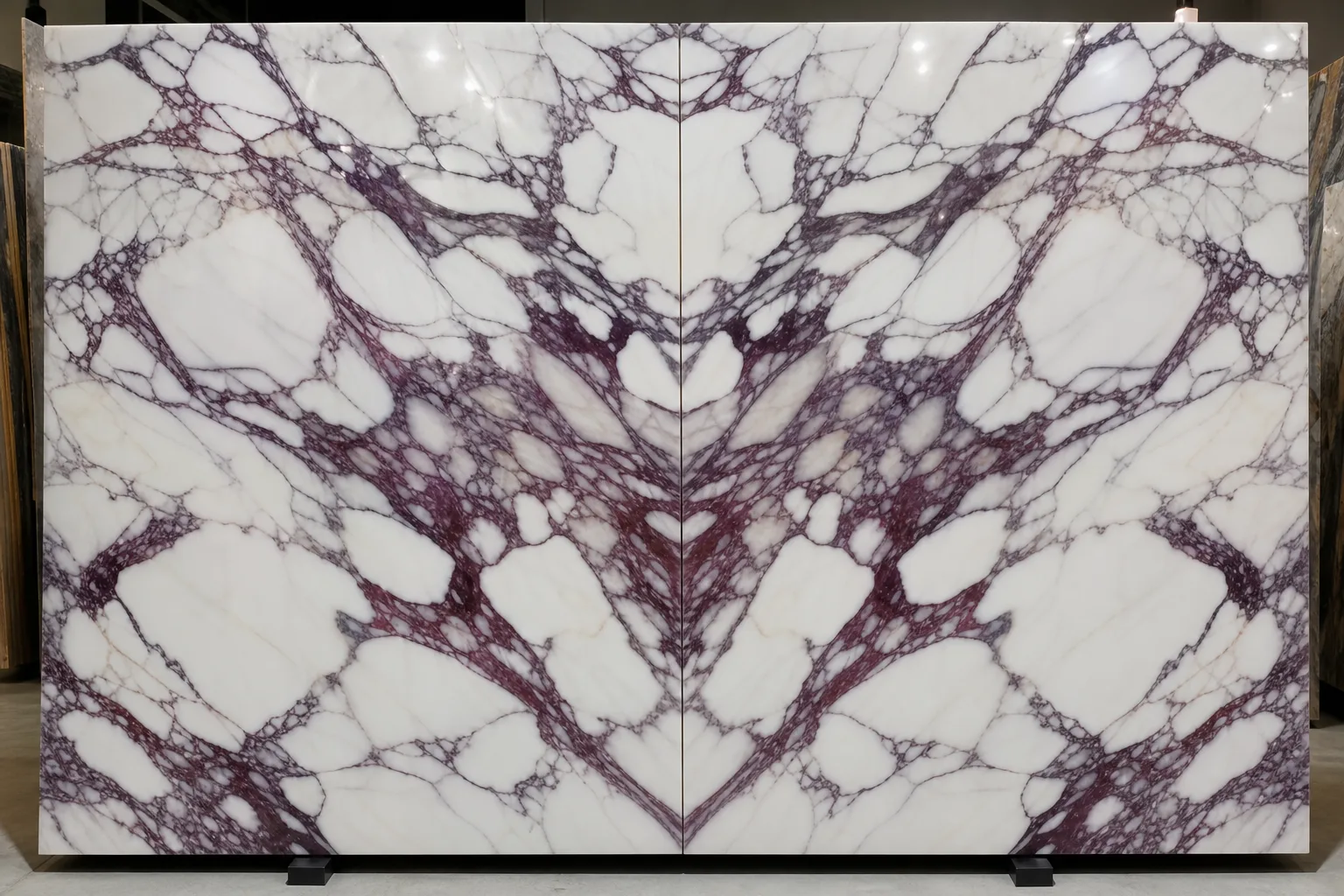
The names are confusing. Quartz countertops are engineered from crushed quartz and resin. Quartzite is a natural rock quarried in blocks and cut into slabs like marble or granite. When a buyer says "quartz," always ask which one they mean.
How quartzite forms
Sandstone is made of sand grains, mostly quartz, held together by natural cement. When sandstone is buried deep and subjected to heat and pressure, the grains recrystallize and the cement turns into more quartz. The rock becomes so tightly bonded that it typically breaks through the grains rather than around them, which is a classic field test geologists use.
Why quartzite is hard and acid-resistant
Quartz is silicon dioxide, about 7 on the Mohs scale, harder than glass and steel. It does not react with the mild acids in kitchens. That is why genuine quartzite can stay polished in places where marble would etch. Its weakness, if any, is porosity: some quartzites have tiny gaps between crystals that can absorb oils.
Where the color and veining come from
Pure quartzite is white or gray. Trace minerals change that:
- Iron oxides add cream, gold, pink and red.
- Kyanite or dumortierite can add blue tones.
- Mica and other minerals add sparkle or green.
Folding during metamorphism creates the flowing bands that make many quartzites look like marble.
Popular quartzite names in U.S. yards
| Name | Typical look |
|---|---|
| Taj Mahal | Cream with soft gold veining |
| White Macaubas | White with gray linear veins |
| Azul Macaubas | Vivid blue bands |
| Patagonia | Dramatic mix of crystals and dark inclusions |
| Fusion and similar names | Multicolor blue, rust and gray bands |
Names vary between suppliers. Read Taj Mahal quartzite and blue natural stones.
Where it comes from
Brazil dominates the market for quartzite slabs, with major quarrying in states such as Minas Gerais and Bahia and processing in Espírito Santo. Other sources include India, Madagascar, Norway and the U.S. See importing stone from Brazil.
Caring for quartzite
- Test absorption; seal if water darkens the stone quickly.
- Clean with pH-neutral stone cleaner.
- Use trivets for hot pans, especially on resin-treated slabs.
- Avoid harsh abrasives that can dull the polish.
Fabrication notes
Quartzite is tough on saws and polishing tools, and some exotic quartzites are brittle with natural fissures. Experienced fabricators adjust feed rates and support slabs carefully. Like granite, quartzite contains crystalline silica, so dust control during fabrication is essential; see OSHA silica rule for stone.
Present quartzite with the facts
Buyers increasingly ask whether a quartzite is genuine. iBlocky lets you attach test results, origin and treatment details to each slab and share them with photos and video in a single link.
Frequently asked questions
Is quartzite natural?
Yes. Quartzite is a natural metamorphic rock, unlike engineered quartz countertops.
Does quartzite scratch?
Genuine quartzite is very scratch resistant. It can scratch glass, and a steel knife will not scratch it.
Where does most quartzite come from?
Brazil is the leading source of quartzite slabs sold in the U.S., followed by other countries such as India.