
Honed vs Polished vs Leathered Stone Finishes Compared
How polished, honed and leathered finishes change the look, feel, maintenance and etching visibility of marble, granite and quartzite countertops.
The short answer
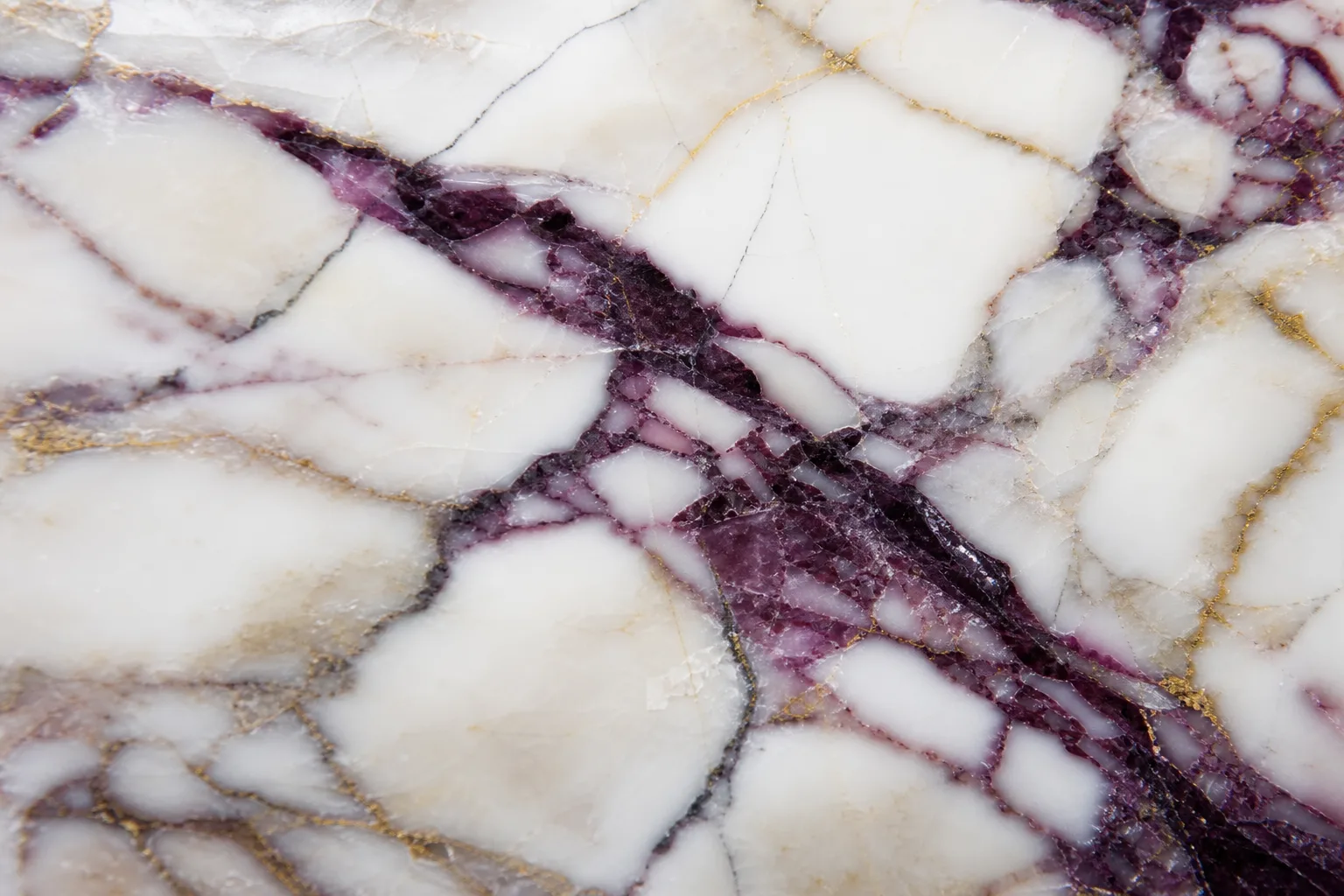
Polished stone is glossy and shows color and veining most vividly but makes etching and scratches more visible. Honed stone is smooth and matte, hiding etching better but sometimes showing oil marks. Leathered stone has a soft texture and low sheen that disguises marks and fingerprints. The best finish depends on the stone, the room and your tolerance for maintenance.
Key takeaways
- Polished: maximum color depth and shine; marks more visible.
- Honed: matte and calm; hides etching better.
- Leathered: textured, low sheen; disguises fingerprints and marks.
- Finish availability depends on what the supplier stocks.
How finishes are made
Finishes are created during processing. Polished surfaces are ground with progressively finer abrasives until they reflect light. Honed surfaces stop before the polishing stage, leaving a smooth matte face. Leathered surfaces are brushed with abrasive brushes that follow the softer minerals, creating a gently textured surface. Read the natural stone finishes guide for more.
Comparison table
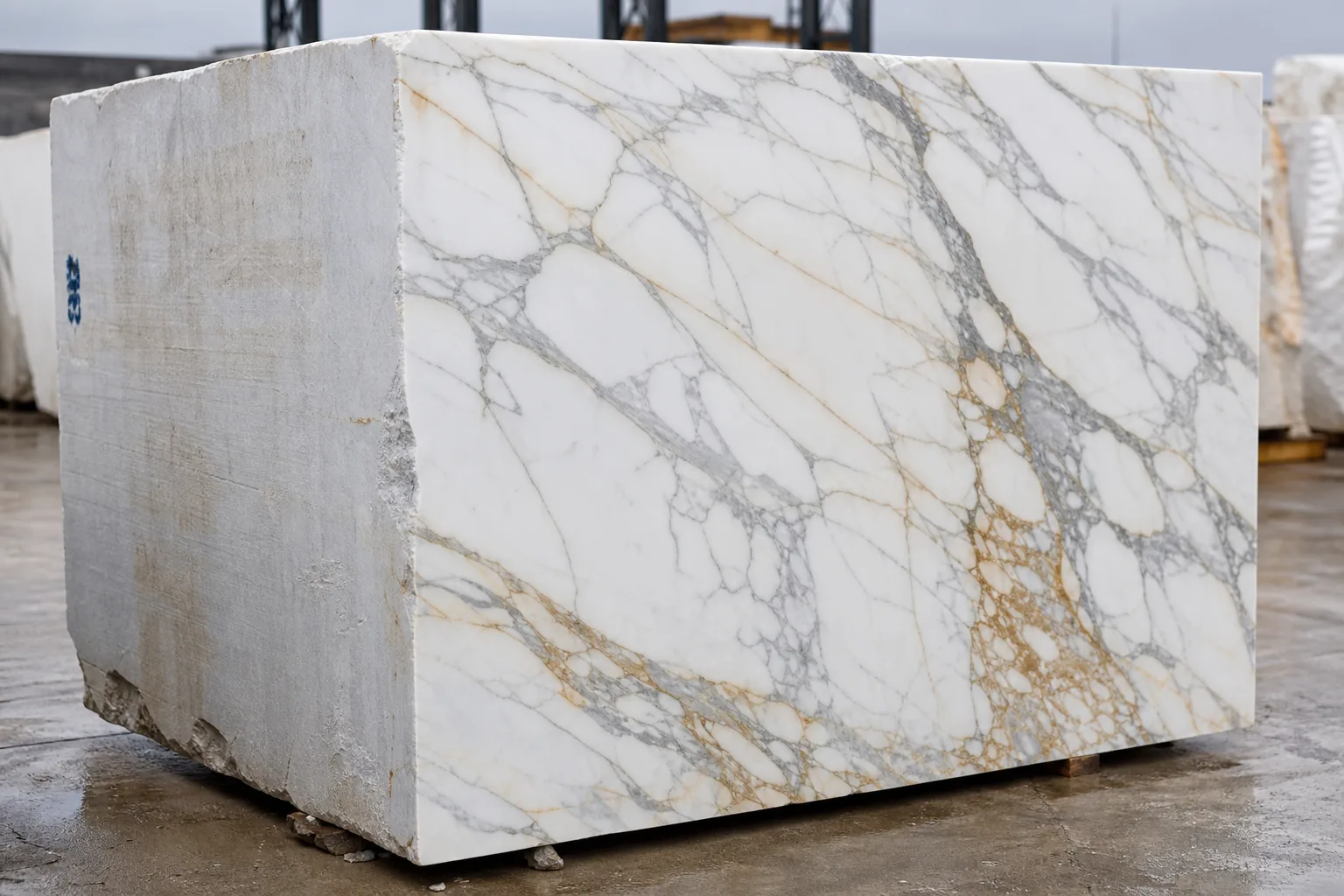
| Feature | Polished | Honed | Leathered |
|---|---|---|---|
| Look | Glossy, deep color | Matte, softer color | Low sheen, textured |
| Etching visibility on marble | High | Lower | Lower |
| Fingerprints and water spots | Visible on dark stones | Can show oil marks | Disguised |
| Stain resistance | Often lower absorption | Can absorb more | Varies |
| Cleaning | Easy wipe | Easy wipe | Texture needs attention |
| Popular for | Classic kitchens, baths | Marble kitchens, floors | Granite and quartzite kitchens |
Polished
Polished stone reflects light, deepening color and making veining pop. On marble, acids leave dull etch marks that are very visible against the shine. On granite and quartzite, polished finishes are very durable.
Honed
Honed stone has a velvety matte look. On marble, etching blends into the matte surface. Honed finishes can be more open to absorbing oils, so sealing is important. Honed is common for marble kitchens and for floors.
Leathered
Leathered finishes add texture you can feel. They are especially popular on dark granites and quartzites, where they reduce the visibility of fingerprints and water spots. Some marbles are leathered as well.
Choosing by stone
- Marble in a busy kitchen: honed or leathered.
- Dark granite: leathered or polished.
- Quartzite: polished or leathered.
- Floors: honed or textured for traction.
- Walls and low-use areas: any finish.
Can finishes be changed?
Yes, to a degree. A stone restoration professional can hone a polished surface or polish a honed one. Changing finishes on an installed countertop is a specialist job. See marble polishing and restoration.
Before you buy
Ask to see the same stone in different finishes if possible. Finishes change color and contrast significantly.
Sampling finishes at home
Ask for small samples in each finish and live with them for a few days. Put a drop of oil, water and lemon juice on each, wipe after a few minutes and see how they look. This simple test tells you more about real life with a finish than any brochure.
Frequently asked questions
Which finish hides etching best on marble?
Honed and leathered finishes disguise etching better than polished finishes.
Is leathered granite hard to clean?
Not usually. Regular wiping works, but crumbs and residue can sit in the texture, so wipe thoroughly.
Does honed marble stain more easily?
Honed surfaces can be slightly more absorbent than polished ones, so sealing and prompt cleanup are important.