
Buying Dolomite Countertops: Between Marble and Quartzite
What dolomite is, how it compares with marble and quartzite, etching and hardness, popular white dolomites and how to choose and care for it.
The short answer
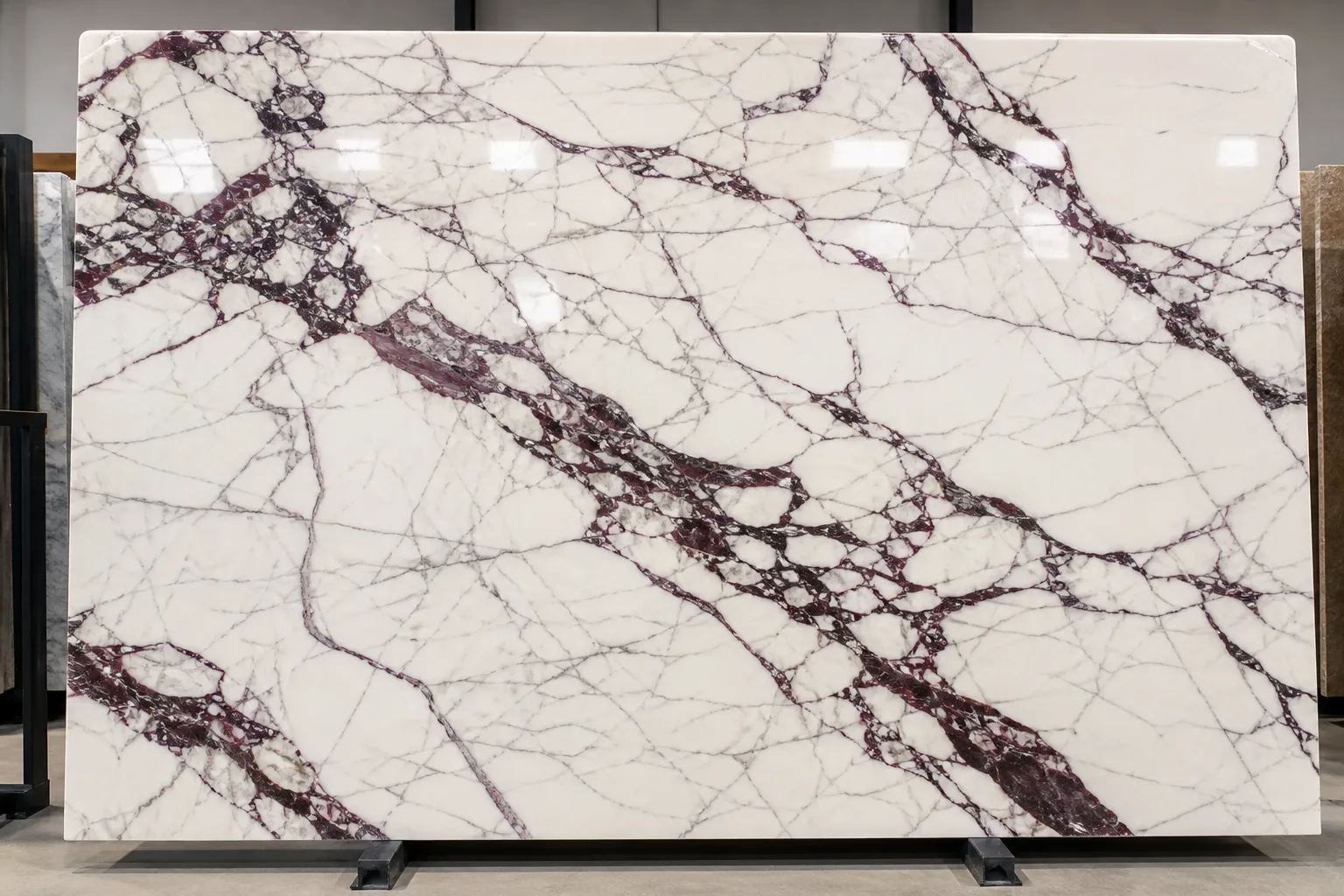
Dolomite, or dolomitic marble, is a stone made mostly of the mineral dolomite. It is generally a bit harder and slower to etch than calcitic marble, but it is not as hard or etch-resistant as true quartzite. It offers marble-like white and gray looks with somewhat better durability, as long as buyers understand it still etches and should be sealed and cared for.
Key takeaways
- Dolomite sits between marble and quartzite in hardness.
- It still etches, though usually more slowly than calcite marble.
- Some dolomites are sold as quartzite; verify.
- Seal and care for it like marble.
What dolomite is
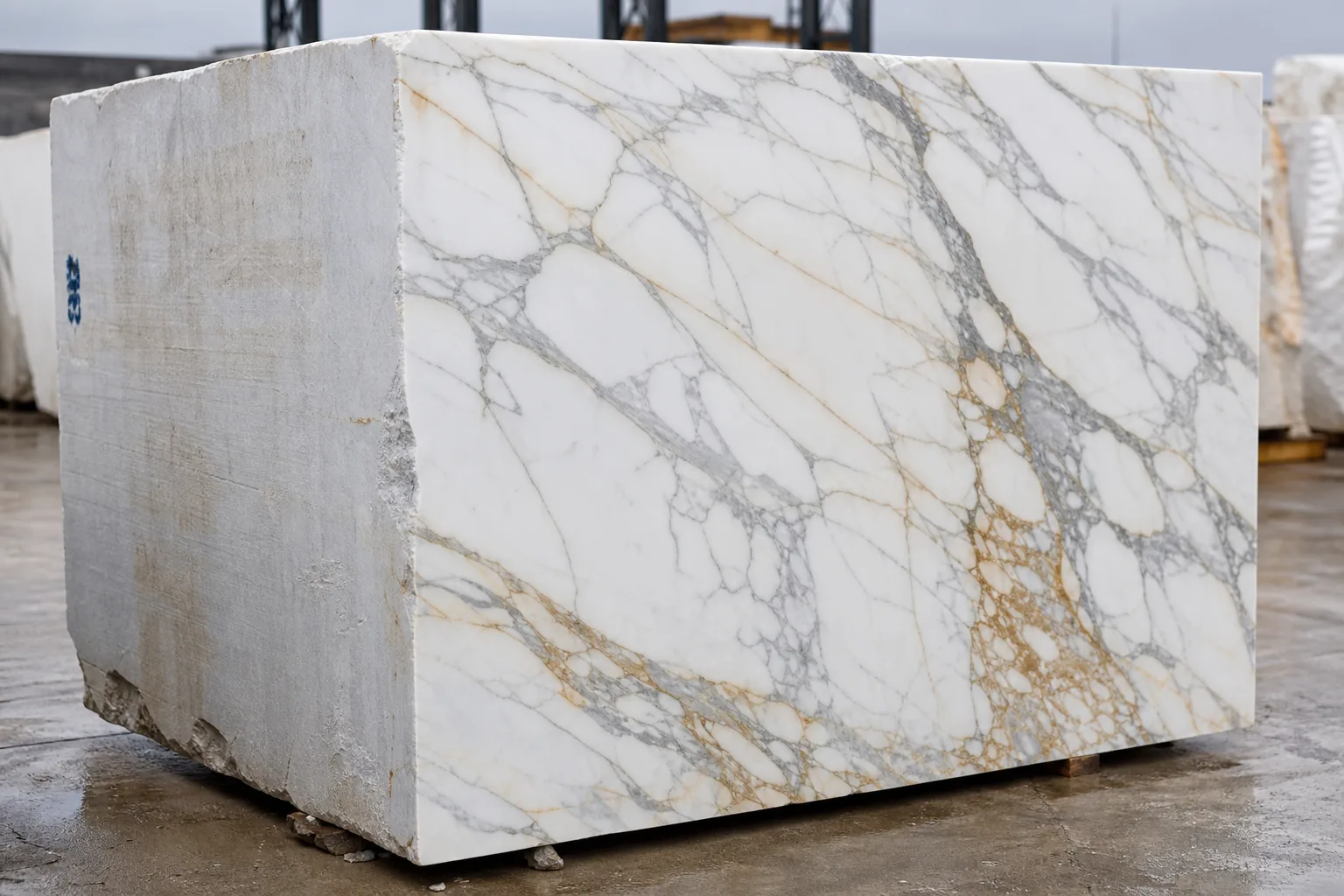
The mineral dolomite is calcium magnesium carbonate. Dolomitic marble forms when dolomite-rich rock is metamorphosed. Read dolomite vs marble.
Comparison
| Feature | Calcitic marble | Dolomite | True quartzite |
|---|---|---|---|
| Main mineral | Calcite | Dolomite | Quartz |
| Mohs hardness | About 3 | About 3.5 to 4 | About 7 |
| Etching | Quick | Slower | Generally none |
| Look | Classic marble | Marble-like | Often marble-like |
Why buyers like it
Dolomite often gives a crisp white or gray marble look with slightly better resistance to scratches and etching.
Watch for mislabeling
Dolomites are sometimes sold as quartzite or soft quartzite. Test samples. See how to tell if quartzite is real.
Care
Seal according to porosity, use pH-neutral cleaners and wipe acids promptly.
Popular dolomite looks
White and gray dolomites with marble-like veining are common in U.S. yards, often from Brazil and other origins. Trade names vary; ask suppliers whether a stone is dolomite and request a sample.
Testing before you buy
Do a lemon juice test on a sample and wait several minutes. Dolomite etches more slowly than calcite marble, so a short test may not show it. A glass scratch test helps distinguish dolomite from true quartzite.
Finishes for dolomite
Honed and leathered finishes reduce the visibility of etching and scratches. Polished dolomite looks crisp but shows marks more.
Dolomite in kitchens
Many homeowners choose dolomite as a compromise: marble-like beauty with a bit more resilience. Set expectations honestly about etching and sealing.
Dolomite in bathrooms
Dolomite performs well in bathrooms, where acids are less common.
Pricing
Dolomites are often priced below premium quartzites and some marbles, offering good value for their look.
Fabrication
Dolomite is easier to fabricate than quartzite and similar to marble, which can reduce installed cost.
Long-term care
Use pH-neutral cleaners, wipe acidic spills promptly and reseal as needed. Professional polishing can restore etched areas.
Questions to ask suppliers
- Is this stone dolomite, marble or quartzite?
- Has it been tested for etching?
- Which finish do you recommend for kitchens?
- Are consecutive slabs available?
Bottom line
Dolomite is a smart middle ground when it is labeled honestly and cared for like marble.
Frequently asked questions
Is dolomite better than marble?
Dolomite is usually a bit harder and slower to etch, but it is still a carbonate stone that etches. It is a middle ground.
Is dolomite a quartzite?
No. Dolomite is a carbonate stone; quartzite is quartz-based. Some dolomites are marketed as quartzite.
Does dolomite need sealing?
Often yes, depending on porosity. Test with water drops.