
Dolomite vs Marble: What's the Difference?
Dolomite vs calcite marble: chemistry, hardness, etching speed, appearance and why dolomitic stones are often sold as quartzite or soft quartzite.
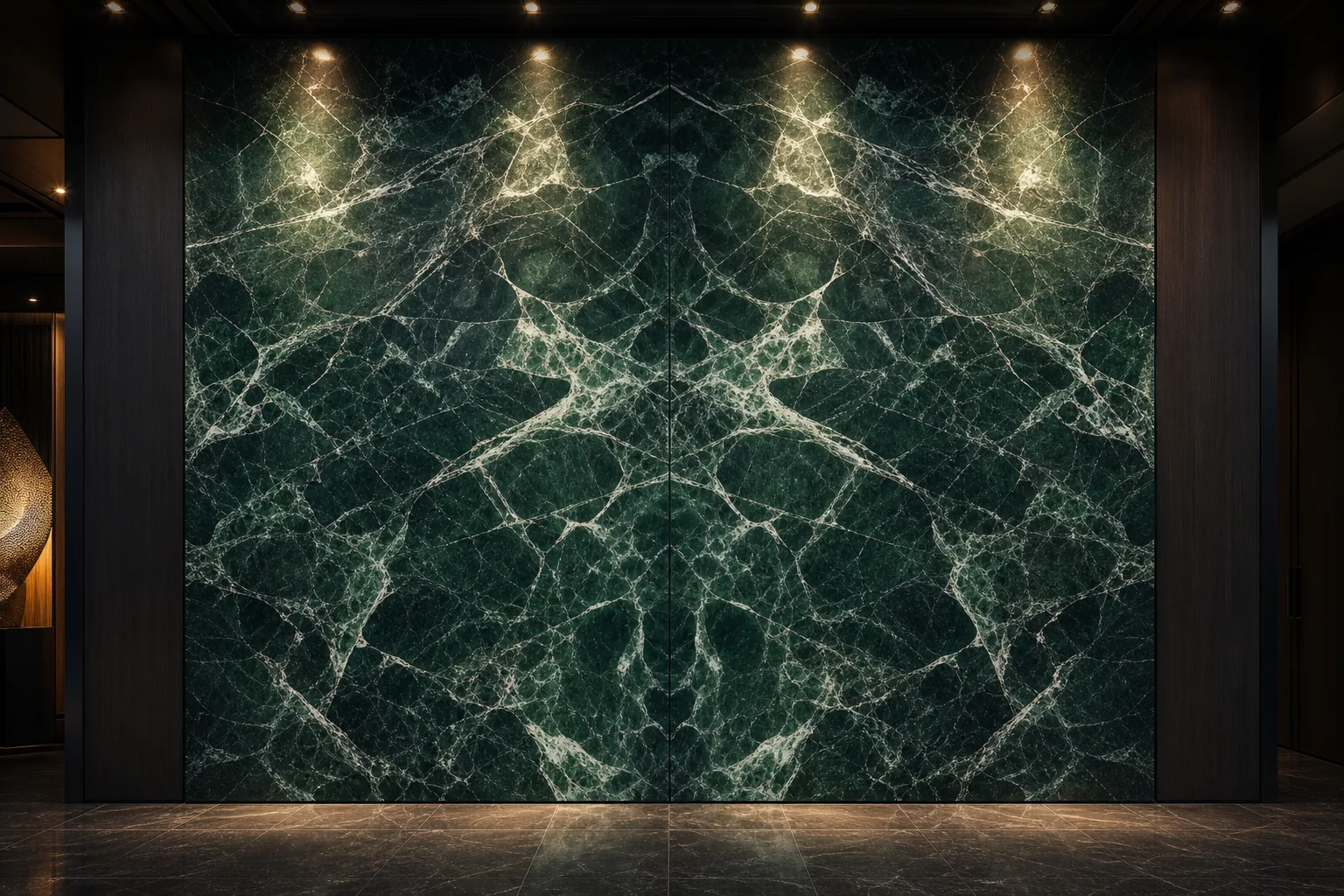
The short answer
Dolomitic marble is made mostly of the mineral dolomite, calcium magnesium carbonate, while classic marble is mostly calcite, calcium carbonate. Dolomite is slightly harder and reacts more slowly with acids, so dolomitic stones etch less quickly. Both are carbonate stones that need marble-style care, and dolomites are sometimes marketed as quartzite.
Key takeaways
- Dolomite contains magnesium; calcite does not.
- Dolomite is slightly harder and etches more slowly.
- Both are carbonate stones and both etch eventually.
- Dolomites are often misnamed as quartzite.
Two carbonate cousins
Calcite and dolomite are both carbonate minerals. Calcite is calcium carbonate; dolomite adds magnesium to the crystal structure. That small chemical difference makes dolomite a little harder and more resistant to acid attack.
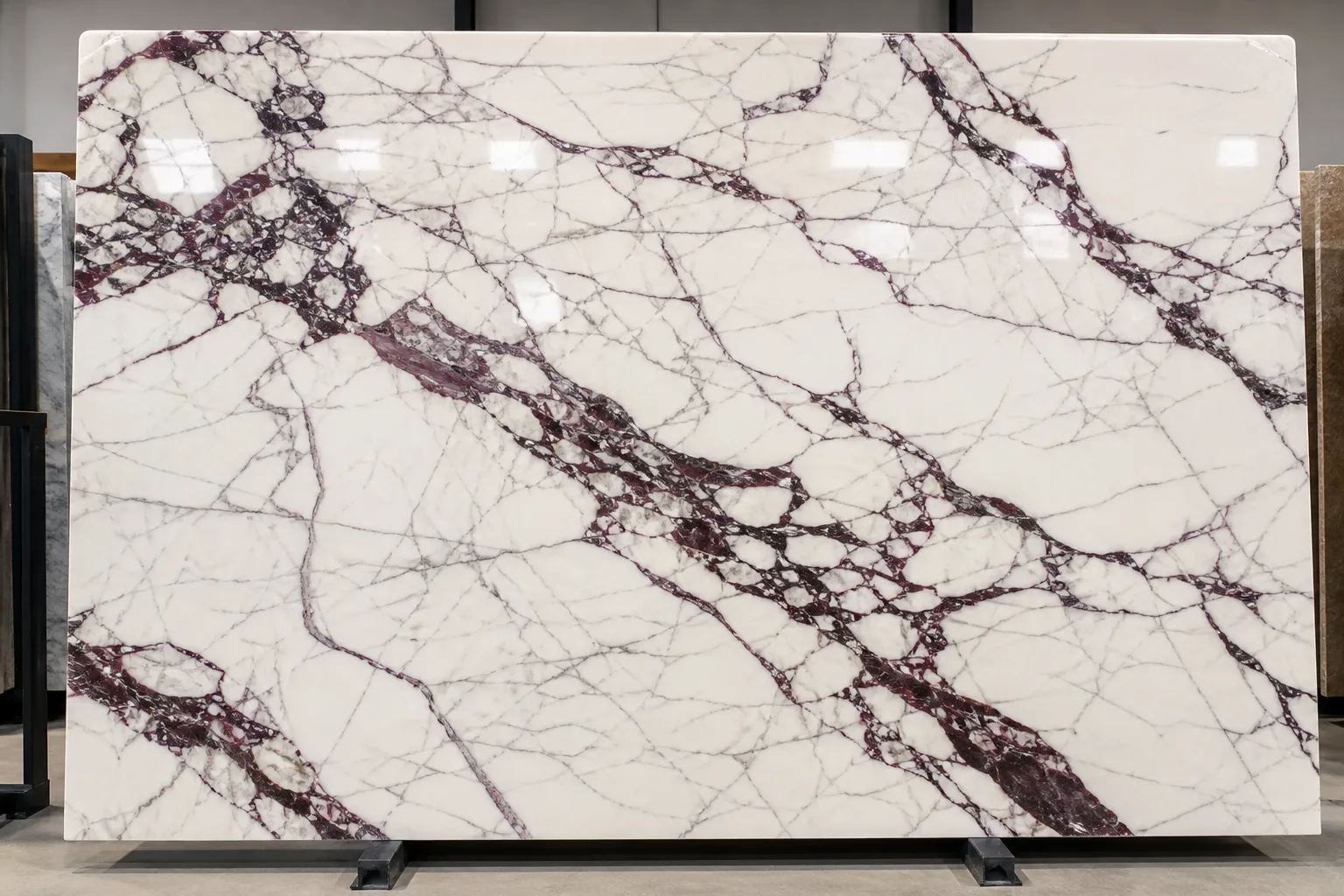
How dolomitic marble forms
Dolostone forms when limestone is altered by magnesium-rich fluids, a process geologists call dolomitization. When dolostone is metamorphosed, the result is dolomitic marble. Greek Thassos is a famous white dolomitic marble; many modern white and gray "quartzites" in U.S. yards are actually dolomitic.
The fizz test
Geologists distinguish calcite from dolomite with dilute acid. Calcite fizzes vigorously; dolomite fizzes weakly or only when powdered. A kitchen version is a drop of lemon juice or vinegar left on a sample: calcite marble dulls within minutes, dolomite more slowly.
Practical differences
| Calcite marble | Dolomitic marble | |
|---|---|---|
| Mohs hardness | About 3 | About 3.5 to 4 |
| Etching speed | Fast | Slower |
| Typical look | Wide range | Often crisp white or gray |
| Sealing | Often recommended | Often recommended |
| Care | pH-neutral cleaners | pH-neutral cleaners |
Why dolomite is sold as quartzite
Dolomites can look glassy and resist a light scratch better than calcite marble, so they are sometimes marketed as quartzite or "soft quartzite." Super White is a frequently cited example of a stone often identified as dolomite. The issue is expectations: a buyer told "quartzite" expects no etching. See avoiding misnamed stone.
Is dolomite a good choice?
Yes, for the right buyer. Dolomite offers a marble look with a bit more resilience at prices often below premium quartzite. Choose a honed or leathered finish for kitchens, wipe acidic spills promptly and seal according to absorption. Read our buyer guide on buying dolomite.
Telling them apart in the yard
Without lab tests, look for clues: dolomitic marbles often have a slightly sugary, sparkling crystal texture and resist a light scratch a little better than calcite marble. The most reliable home test remains a timed lemon juice drop on a sample, observed after several minutes rather than seconds.
Where each performs best
Calcite marble shines in bathrooms, fireplaces and kitchens where patina is welcome. Dolomite suits buyers who want a crisp white look with a bit more tolerance in busy kitchens, provided they still treat it as a carbonate stone.
Talking about dolomite honestly
When the label is accurate, dolomite sells well on its own merits. iBlocky lets distributors record both the trade name and the geological type on each slab, so buyers see what they are really getting before they commit.
Frequently asked questions
Is dolomite harder than marble?
Dolomite is slightly harder than calcite marble, about 3.5 to 4 versus 3 on the Mohs scale, but much softer than quartzite.
Does dolomite etch?
Yes, but more slowly than calcite marble because dolomite reacts less readily with acids.
Is Thassos marble dolomite?
Thassos is generally described as a dolomitic marble from the Greek island of Thassos.