
Statuario Marble: The Sculptor's White
What Statuario marble is, how it differs from Calacatta and Carrara, why sculptors prized it, where it is used today and how to choose a slab.
The short answer
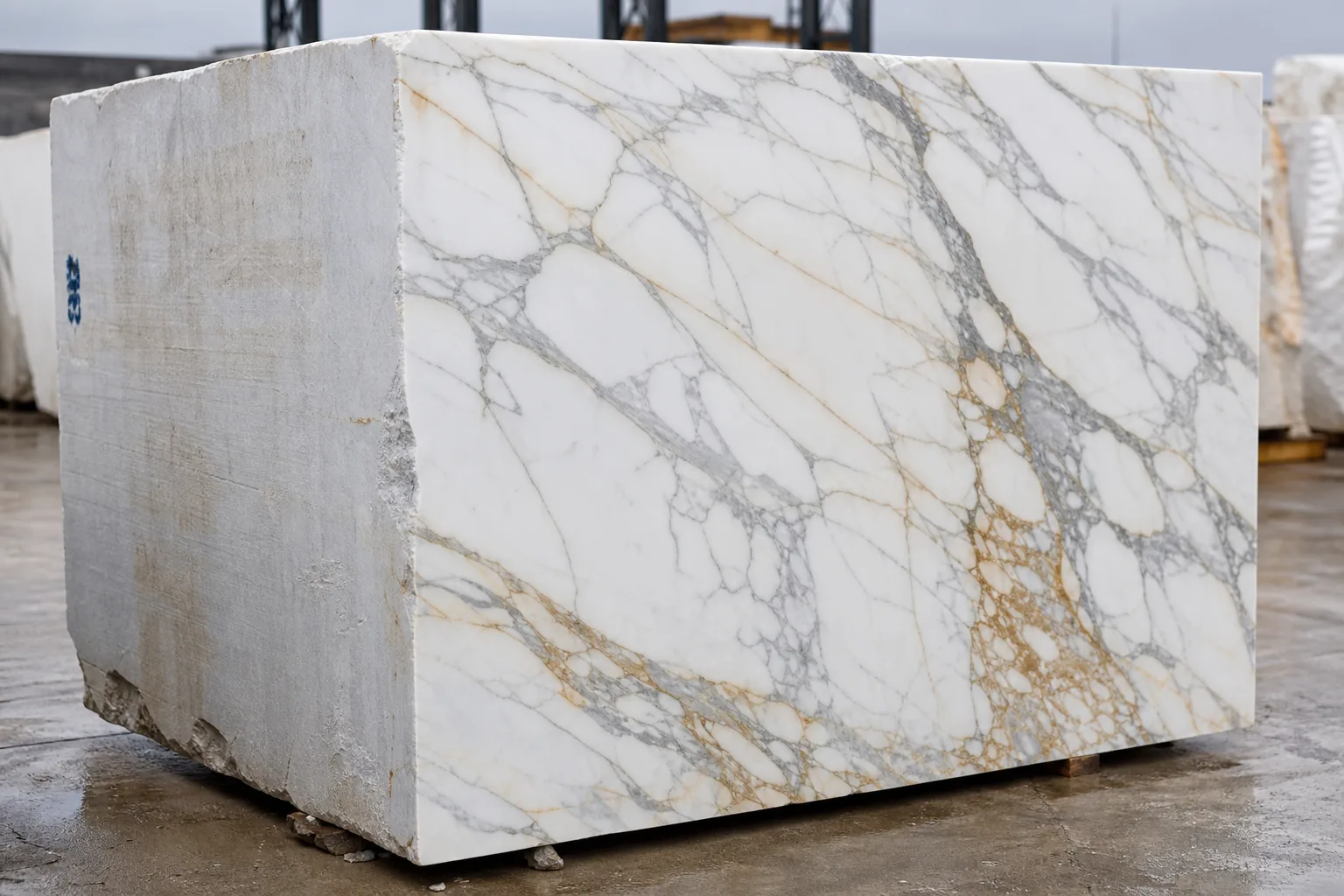
Statuario is a rare Italian white marble from the Apuan Alps, known for its bright, uniform white background and bold gray veining. Historically prized by sculptors for its purity and fine grain, it is now used for luxury countertops, walls and bathrooms. It sits between Carrara and Calacatta in drama and is priced as a premium stone.
Key takeaways
- Statuario combines bright white with defined gray veins.
- Its fine, even grain made it a sculptor's favorite.
- Supply is limited, so slabs are premium.
- Care is the same as for any calcite marble.
The name says it
Statuario means statuary. For centuries, sculptors sought the whitest, most uniform marble with fine grain and few flaws, because it carves cleanly and shows light and shadow beautifully. Statuario quarries in the Apuan Alps supplied that material.
What it looks like
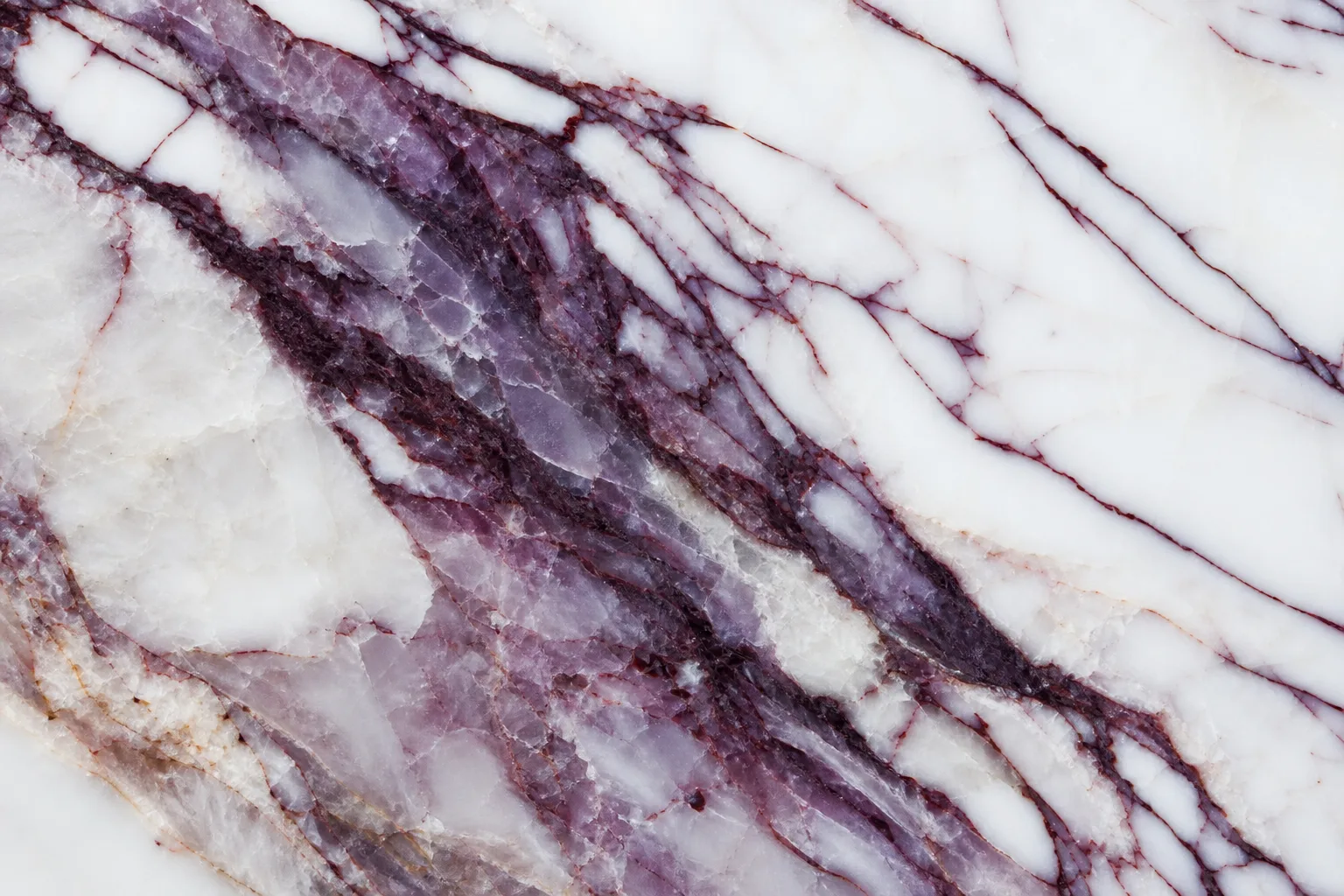
- Bright white to slightly warm white background.
- Gray veins, from fine to bold, often more defined than Carrara.
- Less dramatic contrast than many Calacatta slabs.
- Fine, compact crystal grain.
Some Statuario slabs are almost pure white with sparse veins; others show strong diagonal veining. Names such as Statuario Venato or Statuarietto describe variations.
Statuario, Calacatta and Carrara
| Carrara | Statuario | Calacatta | |
|---|---|---|---|
| Background | Gray-white | Bright white | Bright to warm white |
| Veining | Soft, feathery | Defined gray | Thick, dramatic |
| Rarity | Common | Rare | Rare |
Detailed comparison: Calacatta vs Carrara vs Statuario.
Where Statuario works best
- Bathrooms: walls, vanities and bookmatched tub surrounds.
- Kitchen islands where a bright, elegant look is wanted.
- Fireplaces and feature walls.
- Furniture and decorative objects.
Choosing a slab
Look for a clean, consistent background; small gray spots or yellowish patches reduce value. Check that veining suits your layout and that slabs from the same bundle match if you need several.
Care
Statuario is calcite marble. It etches with acids and can stain. A honed finish hides etching in kitchens; polished finishes are stunning on walls and vanities. See how to clean marble.
Statuario in sculpture today
Workshops in Pietrasanta and Carrara still carve Statuario for sculptors and collectors around the world. Its fine grain allows sharp detail and smooth, almost skin-like surfaces, which is why it remains the reference stone for figurative sculpture.
Bookmatching Statuario
Statuario's defined gray veins make striking bookmatches on bathroom walls and behind freestanding tubs. Because supply is limited, consecutive slabs suitable for matching are especially valuable; reserve them together.
Pairing ideas
Statuario pairs beautifully with nickel or brass fixtures, white or light wood cabinetry and soft gray walls. In kitchens, a Statuario island with a quieter perimeter stone keeps attention on the centerpiece.
For sellers
Premium whites deserve premium presentation: consistent light, true white balance and video. iBlocky keeps that media on the slab record and lets you share the exact Statuario slab with designers and fabricators.
Frequently asked questions
Why is Statuario marble so expensive?
High-quality Statuario is rare, and its bright, uniform white is in demand for luxury projects.
Is Statuario the same as Carrara?
No. Both come from the Apuan Alps, but Statuario is whiter with more defined veins, while Carrara is grayer with softer veining.
Can Statuario be used in a kitchen?
Yes, with the usual marble trade-offs. Many owners choose honed Statuario and accept patina.