
What Is Limestone? Fossils, Seas and Famous Buildings
What limestone is, how it forms from marine life, fossils, density, Indiana limestone and famous U.S. buildings, plus how it compares with marble.
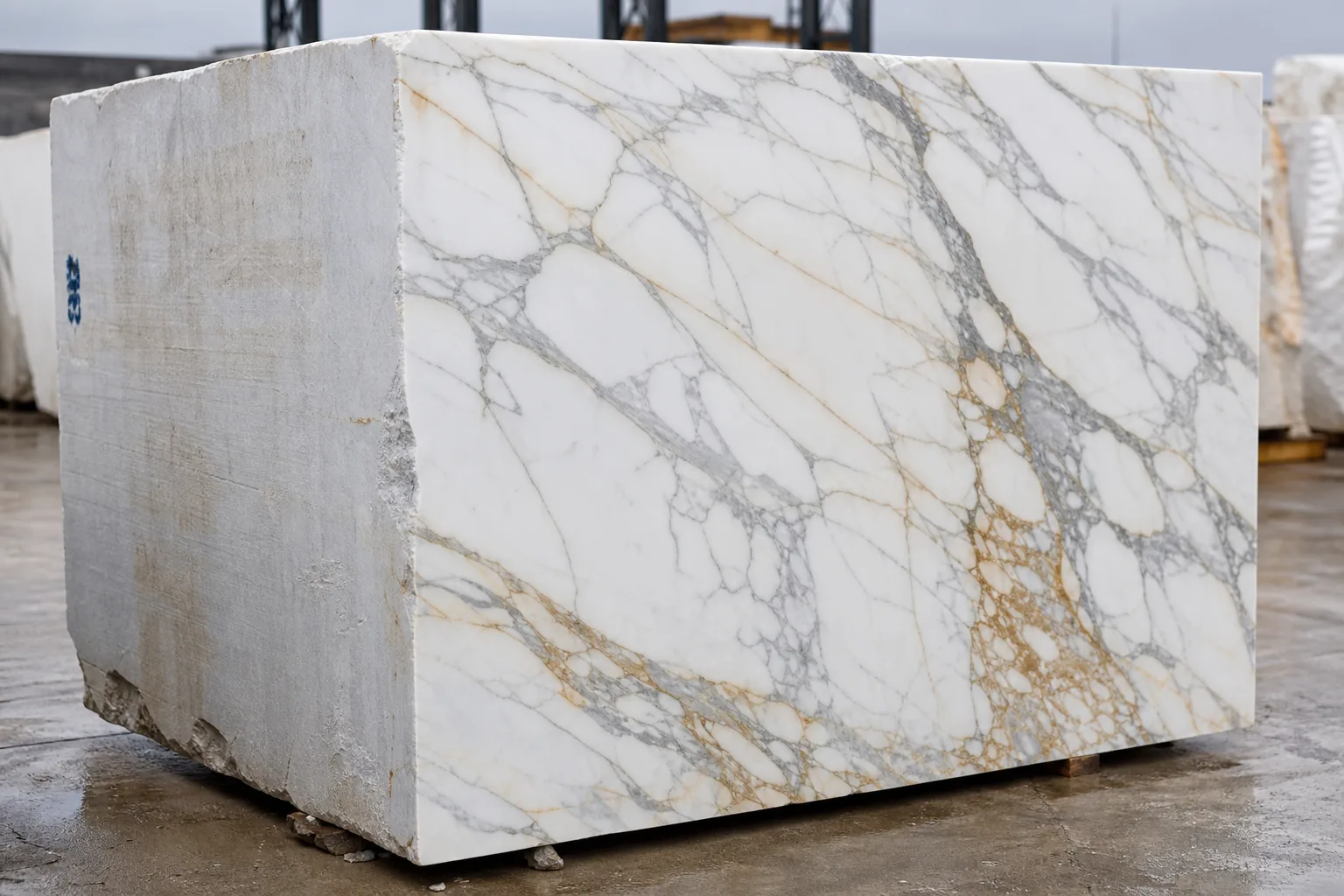
The short answer
Limestone is a sedimentary rock made mostly of calcium carbonate from shells, coral, marine organisms and chemical precipitation in ancient seas. It is softer and more porous than marble, which forms when limestone is metamorphosed. Indiana limestone, used in the Empire State Building and many U.S. landmarks, is one of the best-known American building stones.
Key takeaways
- Limestone forms from marine sediments and shells.
- Fossils are common and part of its character.
- Density and porosity vary widely between limestones.
- Indiana limestone built many American landmarks.
Rock made by the sea
Limestone forms in warm, shallow seas where countless organisms build shells and skeletons of calcium carbonate. When they die, their remains accumulate on the seafloor with carbonate mud. Over time, burial compacts and cements the sediment into rock. Some limestones are almost entirely fossil fragments; others are fine-grained and uniform.
Fossils as features
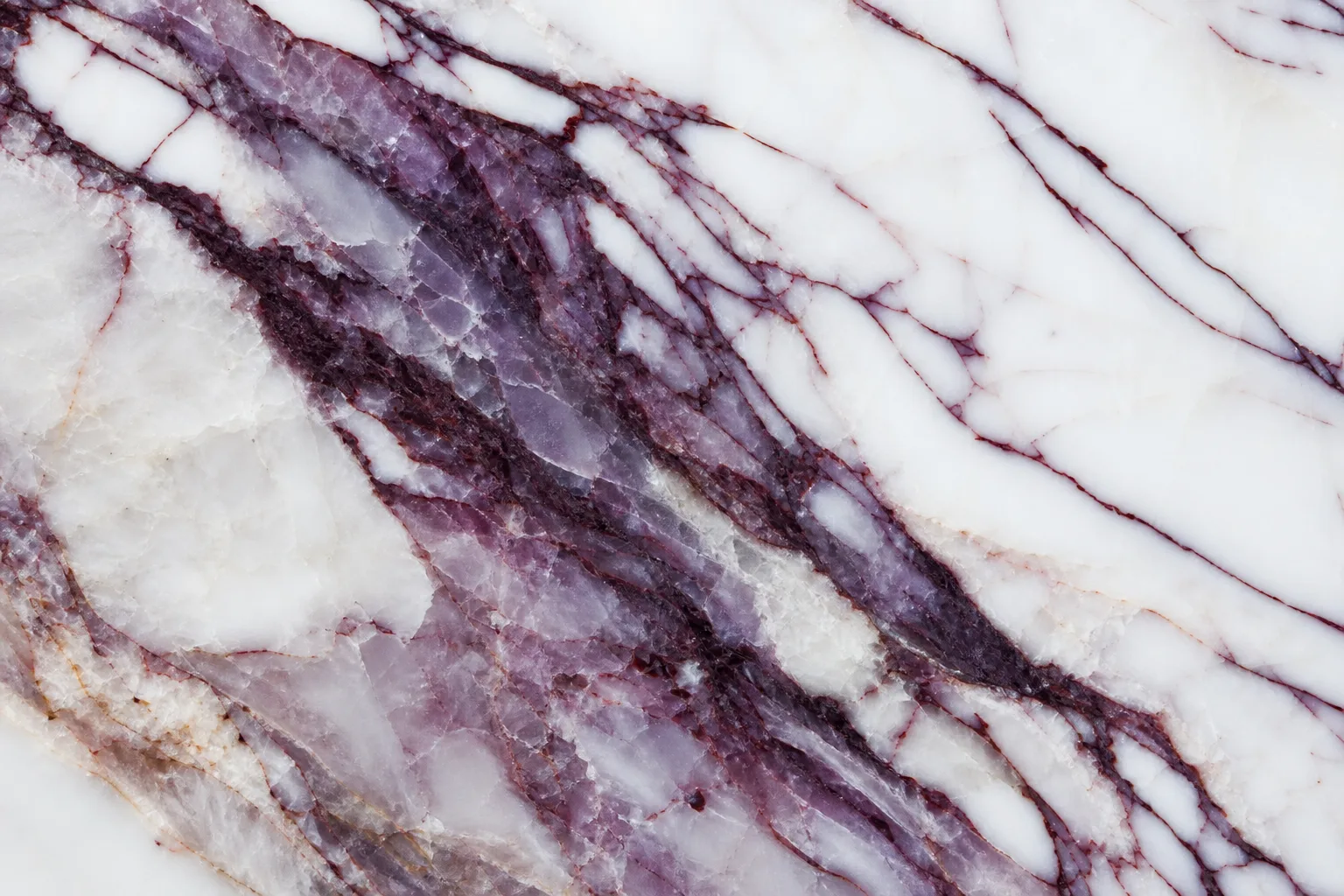
Look closely at many limestones and you will see shells, crinoid stems or coral fragments. Designers increasingly celebrate fossil-rich limestones as natural art. In other applications, uniform, fossil-free stone is preferred.
Limestone vs marble
When limestone is heated and compressed deep underground, its grains recrystallize into marble. The result is denser and takes a higher polish. Limestone generally remains more porous and matte.
| Limestone | Marble | |
|---|---|---|
| Origin | Sedimentary | Metamorphic |
| Texture | Fine to grainy, often matte | Crystalline, polishable |
| Porosity | Often higher | Usually lower |
| Fossils | Common | Usually erased |
Indiana limestone
South-central Indiana, around Bedford and Bloomington, produces a uniform, buff to gray limestone that became America's favorite building stone in the late 19th and 20th centuries. The Empire State Building, the Pentagon and Washington National Cathedral are among the landmarks associated with Indiana limestone. It carves beautifully, which made it ideal for ornate facades.
Density matters
ASTM C568 classifies limestone by density, from low to high. Denser limestones absorb less water and perform better on floors and exteriors. When selecting limestone, ask for density and absorption data rather than relying on appearance.
Where limestone excels
- Facades and architectural details.
- Fireplaces and mantels, often carved.
- Floors with honed finishes.
- Bathroom walls and vanities.
- Garden and landscape elements.
Limitations
Limestone etches with acids and can stain if not sealed. Some softer varieties scratch easily. For kitchens, it suits owners who like a lived-in, European look.
Care
Seal according to absorption, clean with pH-neutral products and wipe spills promptly. Read stone porosity and absorption.
Caring for limestone floors
Use entrance mats, sweep or dust mop to remove grit, damp mop with pH-neutral cleaner and reseal as needed. Periodic professional honing keeps limestone floors even and attractive.
Sharing technical data
Architects specifying limestone want density and absorption numbers. iBlocky stores test reports with each lot and shares them with the slab photos, so specifiers have what they need in one link.
Frequently asked questions
Is limestone softer than marble?
Generally yes. Limestone is usually more porous and less dense than marble, though dense limestones can be quite durable.
What buildings are made of Indiana limestone?
The Empire State Building, the Pentagon and Washington National Cathedral are well-known examples.
Can limestone be used for countertops?
Yes, but it etches and can stain, so it suits owners who accept patina and maintain it.