
Sourcing Stone from Turkey, Greece, Spain and Portugal
Key Mediterranean stone sources for U.S. buyers: Turkish travertine and marble, Greek white marbles, Spanish and Portuguese marbles and limestones.
The short answer
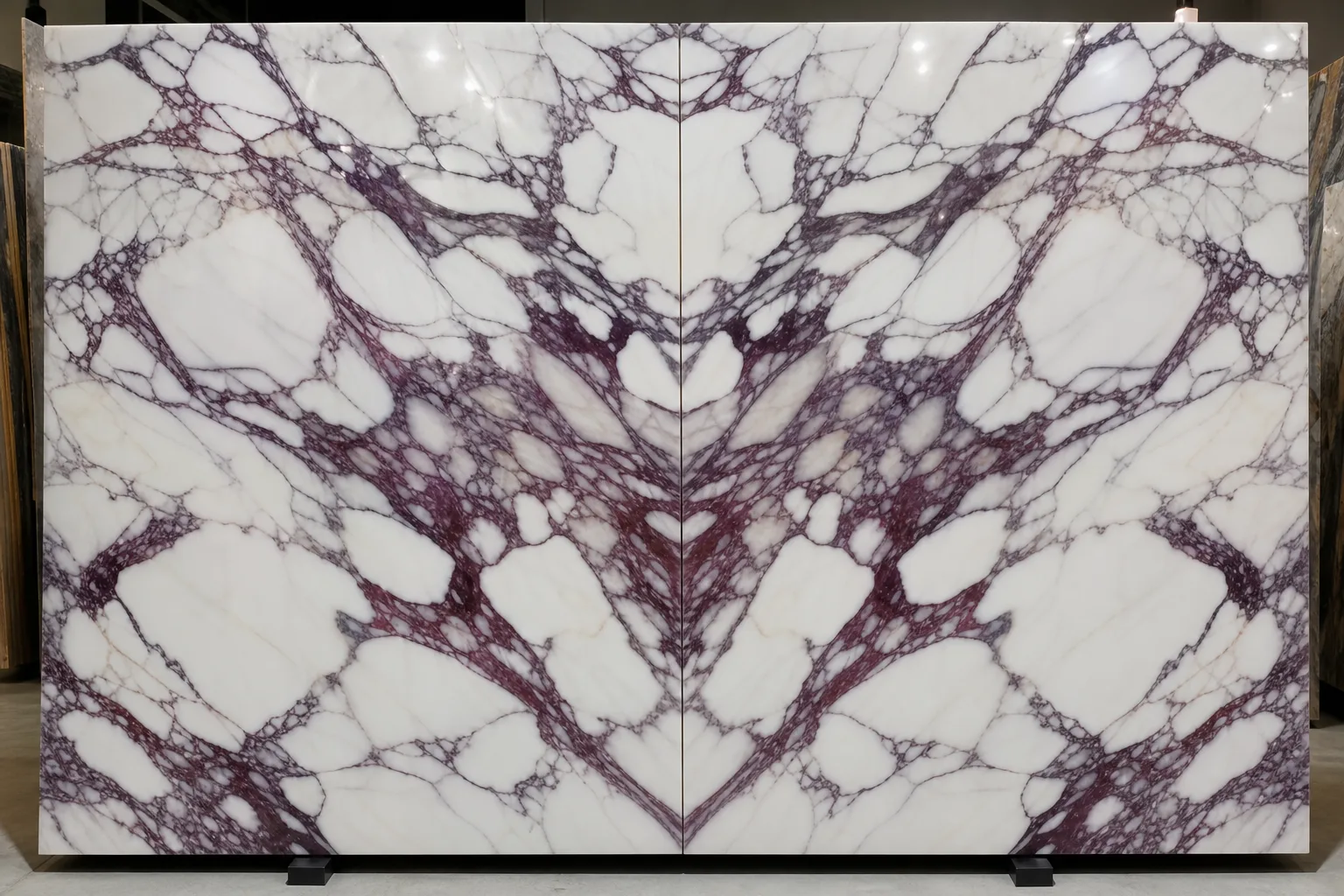
Beyond Italy and Brazil, Mediterranean countries supply much of the natural stone sold in the U.S. Turkey is known for travertine, marble and onyx; Greece for bright white marbles like Thassos and Volakas; Spain for Crema Marfil and Emperador; Portugal for marbles and limestones such as Estremoz marble and Moleanos. Each requires the same discipline: clear specs, inspection and customs planning.
Key takeaways
- Turkey: travertine, marble, onyx and limestone.
- Greece: bright white marbles such as Thassos.
- Spain: Crema Marfil, Emperador and other marbles.
- Portugal: marbles and limestones.
Turkey
Turkey is one of the world's largest natural stone producers. It is well known for travertine, many marbles in beige, white and gray tones, and onyx. Turkish suppliers offer slabs, tiles and cut-to-size products. See buying travertine.
Greece
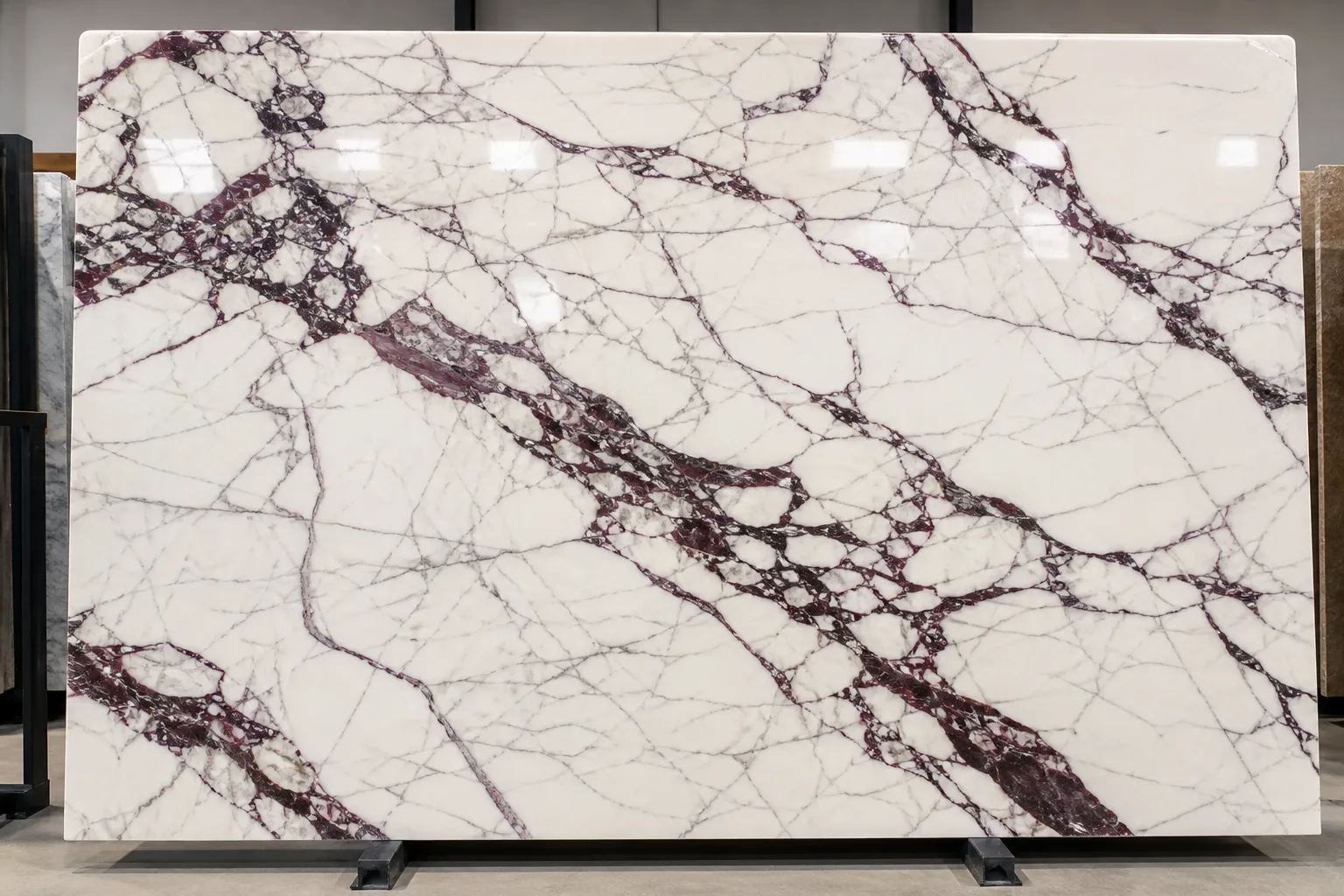
Greece produces bright white marbles prized for their purity, such as Thassos, which is crystalline and very white, and Volakas, with gray veining. Greek marbles appear in luxury bathrooms and kitchens. See Thassos marble.
Spain
Spain is known for Crema Marfil, a warm beige marble, and Emperador, a brown marble with lighter veining, among many others. Spanish producers supply slabs and tiles worldwide. See Crema Marfil and Emperador.
Portugal
Portugal produces marbles from the Estremoz region and limestones from central Portugal, used in flooring, cladding and interiors.
Comparing sources
| Country | Known for | Typical products |
|---|---|---|
| Turkey | Travertine, marble, onyx | Slabs, tiles, cut-to-size |
| Greece | White marbles | Slabs, tiles |
| Spain | Crema Marfil, Emperador | Slabs, tiles |
| Portugal | Marble, limestone | Slabs, tiles, cladding |
Buying considerations
- Specify finish, thickness, grade and packing.
- Request slab-by-slab photos for high-variation materials.
- Verify material type and technical data.
- Check filled versus unfilled travertine.
- Plan shipping routes and transit times.
Customs
Classification and duties depend on the material and processing. Confirm with your customs broker before ordering. See HTS codes for marble and granite.
Trade fairs
Many of these producers exhibit at international fairs, which is an efficient way to compare suppliers.
Comparing suppliers across countries
| Factor | What to compare |
|---|---|
| Material quality | Consistency, defects, polish |
| Processing | Resin, calibration, finishes |
| Packing | Bracing, crates, ISPM 15 marks |
| Lead time | Production and transit |
| Communication | Responsiveness, documentation |
Visiting producing regions
Many regions host stone districts where you can visit several processors in a few days. Plan visits around fairs or production seasons.
Tiles vs slabs
Mediterranean producers supply many tiles and cut-to-size products alongside slabs. Decide which formats your customers need before sourcing.
Diversification
Sourcing similar looks from different countries can protect against supply or trade disruptions. See stone sourcing strategy for 2027.
Language and documentation
Many Mediterranean suppliers work comfortably in English, but technical terms and grades can differ. Confirm specifications with photos and written examples, and ask for packing lists in a spreadsheet format your team can import into inventory.
Frequently asked questions
Where does most travertine come from?
Turkey and Italy are major sources of travertine sold in the U.S., along with other countries.
What is Thassos marble?
A very white, crystalline marble from the Greek island of Thassos, known for its brightness.
Is Crema Marfil from Spain?
Yes. Crema Marfil is a beige marble quarried in the Alicante region of Spain.