
White Marble Alternatives: Quartzite, Dolomite and More
Alternatives to white marble for people who love the look: white quartzites, dolomites, granites with marble movement, porcelain and how they compare.
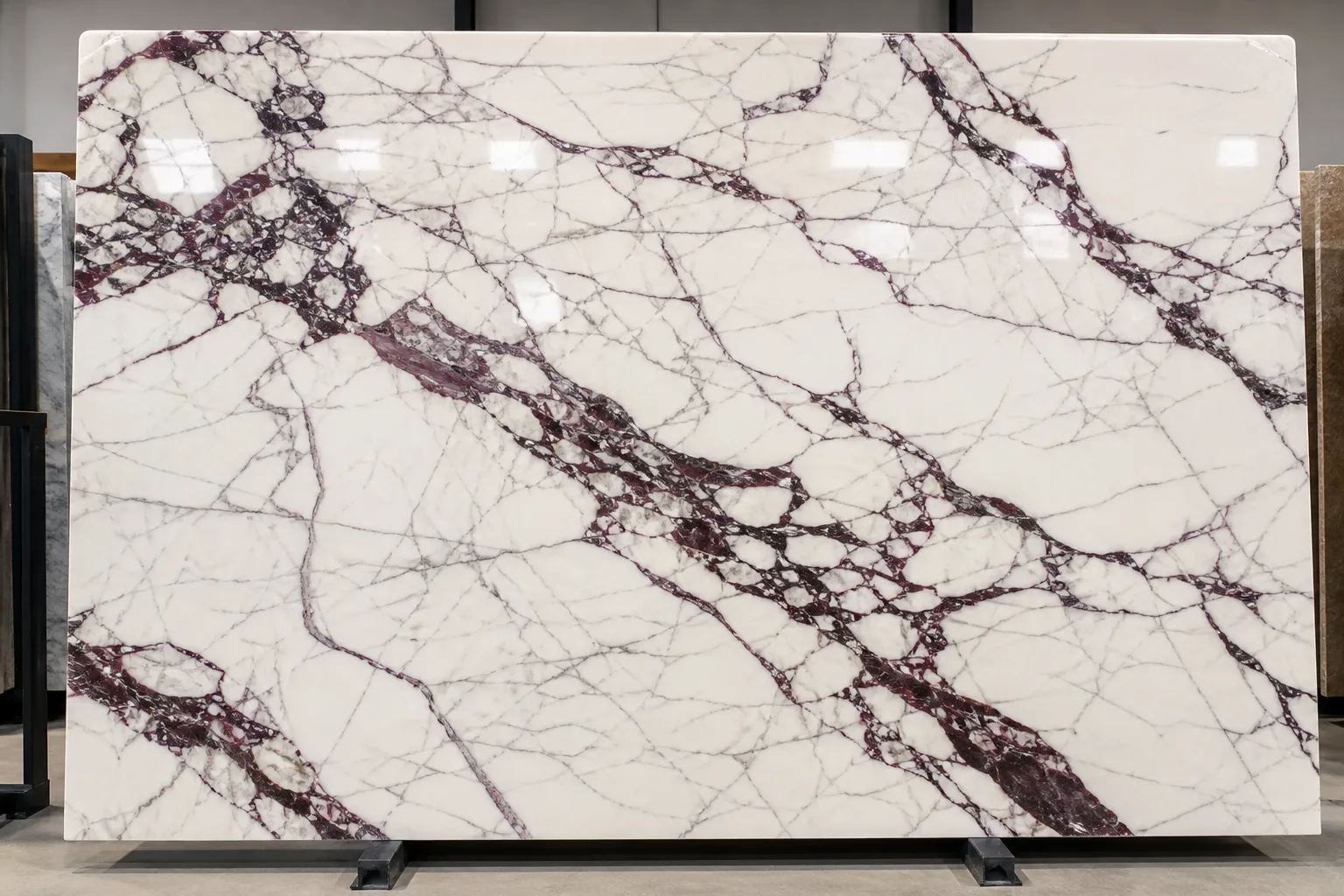
The short answer
If you love white marble but worry about etching and scratches, consider true white quartzites, which resist acids, dolomitic marbles, which etch more slowly, white granites or gneisses with marble-like movement, and porcelain slabs that imitate marble. Each offers a different balance of authenticity, durability, cost and maintenance.
Key takeaways
- True white quartzite gives the closest natural alternative with better durability.
- Dolomite is a middle ground but still etches.
- Some granites and gneisses show marble-like flow.
- Porcelain offers durability with a printed pattern.
Why look for alternatives
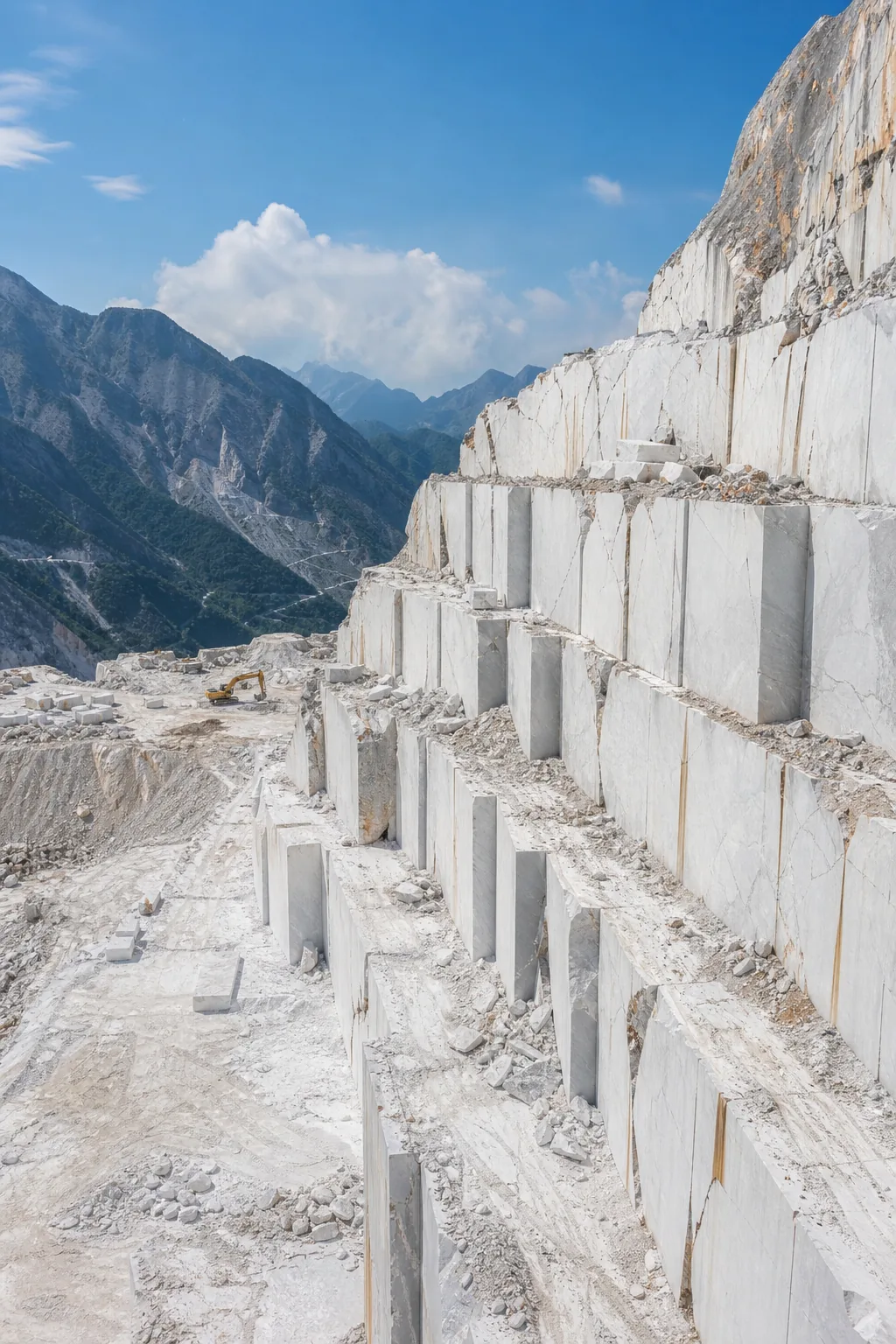
White marble's beauty comes with etching, scratches and staining risk. Some buyers love that patina; others want a similar look with less worry. The good news is that several natural and manufactured options exist.
Comparison
| Option | Look | Etching | Scratch resistance | Authenticity |
|---|---|---|---|---|
| White marble | Classic veining | Yes | Lower | Natural |
| White quartzite | Marble-like, sometimes glassy | No | High | Natural |
| Dolomite | Marble-like | Slower | Moderate | Natural |
| White granite or gneiss | Speckled to flowing | Generally no | High | Natural |
| Porcelain slab | Printed marble look | No | High | Manufactured |
| Engineered quartz | Uniform marble look | No | High | Manufactured, silica concerns |
White quartzites
White quartzites with gray veining can resemble Carrara or Calacatta. They are harder to fabricate and should be verified as true quartzite. See how to tell if quartzite is real.
Dolomites
Dolomitic marbles offer crisp whites and grays with slower etching and slightly better scratch resistance. Choose them with eyes open; see buying dolomite.
White granites and gneisses
Some white granites have speckled patterns, while certain gneisses show flowing movement reminiscent of marble. They are very durable.
Porcelain
Large porcelain slabs can mimic marble convincingly and resist etching and stains, though edges and depth differ from stone. See natural stone vs porcelain slabs.
Engineered quartz
Engineered quartz offers uniform marble looks, but its high crystalline silica content has raised serious worker safety concerns during fabrication. See engineered stone silica rules.
Hybrid strategies
- Marble on the island, quartzite on the perimeter.
- Honed marble to hide etching.
- Marble backsplash with a tougher countertop.
Testing alternatives at home
Bring samples of each option home and test them with lemon juice, oil and a scratch from a key. Seeing how each reacts under your own conditions makes the decision easier than reading specifications.
Cost comparison
Installed cost depends on material and fabrication. Quartzite is often more expensive to fabricate than marble or dolomite, while porcelain needs specialized skills.
Helping buyers compare
Buyers comparing marble with alternatives want to see slabs side by side. iBlocky lets distributors share a mixed selection of real slabs, labeled by material type, in one link.
Frequently asked questions
What looks like marble but doesn't etch?
True quartzite, many granites and gneisses, porcelain and engineered quartz do not etch like marble.
Is dolomite a good marble alternative?
It offers a marble look with slower etching, but it still etches and needs marble-style care.
Which white quartzites look most like marble?
Many white quartzites with gray veining resemble Carrara or Calacatta. Compare actual slabs and verify they are true quartzite.